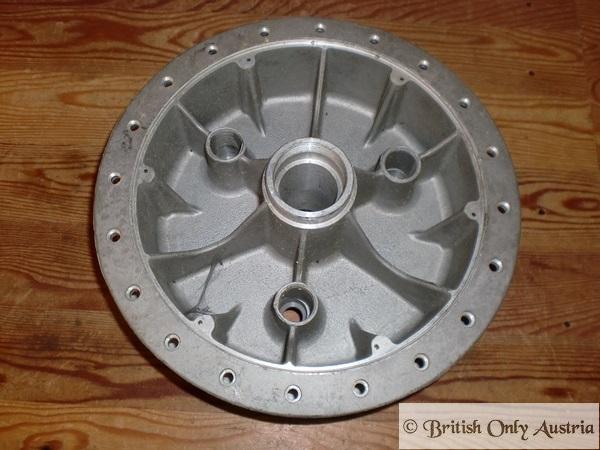
The cush drive is a set of rock hard and thin blocks. I don't see how they could work as a cush drive.
Not as hard as aluminium though is it? So some ‘give’ must be there. How useful or important it is though, I’ve no idea.
I’m guessing Norton did this as a ‘trickle down’ from the racers which were suffering gearbox failures? Started out as a good idea but ended up being hampered by cost?
I’ve often wondered why the Brits put such effort into shock absorbers in the 50s with big spring loaded ramps on the cranks etc, this put a lot of cost into the products and they were producing really quite low power.
I wonder if it was a hangover from pre war days when big singles were mated to inadequate / antiquated gearboxes, often hauling sidecars etc?
Or maybe it was the riding style of the day, even road testers were obsessed about achieving ridiculously low ‘minimum none snatch speed’ in top gear, maybe people lugged their engines too much back then?
Lots of race bikes etc get built sans cush, but they’re never ‘lugging’ they’re always spinning fast and in the right gear. I’ve built lots of Triumphs where a belt drive has meant the stock cush is removed, and race bikes without cush drives, and have never noticed any ill effect.
Having said all of that… if a bike has a cush drive already, that causes no issues apart from needing new rubbers once in a while, I’d be hesitant to remove it for no real benefit. If changing rubbers once in a while is the issue, Ludwig already has the solution for that !