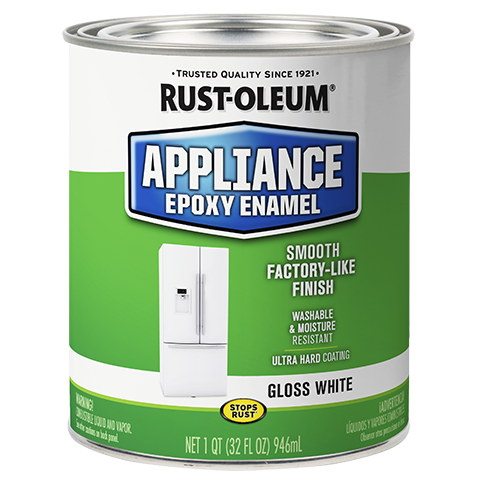
I think ( generally speaking) enamels are oil based and acrylic enamels are water based but there are some exceptions to this .What is the difference between enamel and acrylic enamel and what are the advantages of one over the other? I am in the process of painting some parts and have both spray cans in front of me. I am looking for durability with a nice finish.
Thanks,
Mike
Thank you Richard,I think ( generally speaking) enamels are oil based and acrylic enamels are water based but there are some exceptions to this .
The acrylic enamels generally are more elastic and have shorter drying times and are supposed to be more durable. If painting at home from rattle cans the acrylic enamel is probably a better choice as the shorter drying time helps avoid dust in the finish .
Since you already have both , why not do a couple test samples and see which you prefer ?
MikeThanks for the replies. I am just painting the brake backing plate along with some other small parts. I glass beaded the parts yesterday and picked up some self etching primer and black acrylic paint.Both Rust-Oleum brand. The reason for my questions is that I don’t want to do it twice due to my own ignorance.Appreciate the help.
Mike
I agreeMike
Have you looked at the 2-part epoxy pressure packs? They are way ahead of conventional enamels & acrylic pressure packs.
I did many small parts including the rear brake backing plate.
It goes rock hard - so no squishing out from washers, etc.
The only disadvantage is when you press the button on the bottom of the can to release the hardener you've got to use it within 24hrs.
Our local distributor distributor makes the packs up in his shop and you can choose gloss, satin (my preference) or matt.
Its called 2K System - my brand is Spray Max (2K FILLCLEAN SYSTEM)
I recommend you have a look.
Cheers
Some other quite durable paints in rattle cans , that I use on oil tanks calipers barrels , is VHT barrel paint and caliper paint , for a better paint on petrol tanks you'd be better off with 2 pot compatible paint which Is single part or proper 2 pot , with proper 2 pot clears over the top , correct me if I'm wrong . as suggested by others .What is the difference between enamel and acrylic enamel and what are the advantages of one over the other? I am in the process of painting some parts and have both spray cans in front of me. I am looking for durability with a nice finish.
Thanks,
Mike
I think what you mean is 2K paint , which is a paint which requires a hardener or catalyst and has a limited pot life after mixing. Examples are acrylic urethane with a hardener, a urethane clear topcoat with a catalyst, or epoxy with a crosslink agent. Single stage paint does not require a hardener or catalyst. Just add reducer and spray. These have no pot life restriction. The term 2K is often mistaken for basecoat/clearcoat systems. Basecoats may or may not be 2K paint. Clearcoats are nearly always 2K.Some other quite durable paints in rattle cans , that I use on oil tanks calipers barrels , is VHT barrel paint and caliper paint , for a better paint on petrol tanks you'd be better off with 2 pot compatible paint which Is single part or proper 2 pot , with proper 2 pot clears over the top , correct me if I'm wrong . as suggested by others .
2 pot / 2k / 2 part .I think what you mean is 2K paint , which is a paint which requires a hardener or catalyst and has a limited pot life after mixing. Examples are acrylic urethane with a hardener, a urethane clear topcoat with a catalyst, or epoxy with a crosslink agent. Single stage paint does not require a hardener or catalyst. Just add reducer and spray. These have no pot life restriction. The term 2K is often mistaken for basecoat/clearcoat systems. Basecoats may or may not be 2K paint. Clearcoats are nearly always 2K.