1972 750 Interstate Resurrection

I should think the sludge ( solids , liquids and all in betweens) would be flung by centrifugal force to the outside and then would fall to the lowest point when parked and solidify to await discovery by someone 44 years in the future ?
 
I should think the sludge ( solids , liquids and all in betweens) would be flung by centrifugal force to the outside and then would fall to the lowest point when parked and solidify to await discovery by someone 44 years in the future ?
I have a speculation, as the engine coasts down to a stop having been shut off it most likely comes to rest during a compression stroke. Then the sludge drops to the lowest point. That is where my sludge seems to be.
 
Last edited:
I have a speculation, as the engine coasts down to a stop having been shut off it most likely comes to rest during a compression stroke. Then the sludge drops to the lowest point. That is whaere my sludge seems to be.
And a good position for the crank to be in to minimize wet sumping . After shut down kick engine through to TDC .
 
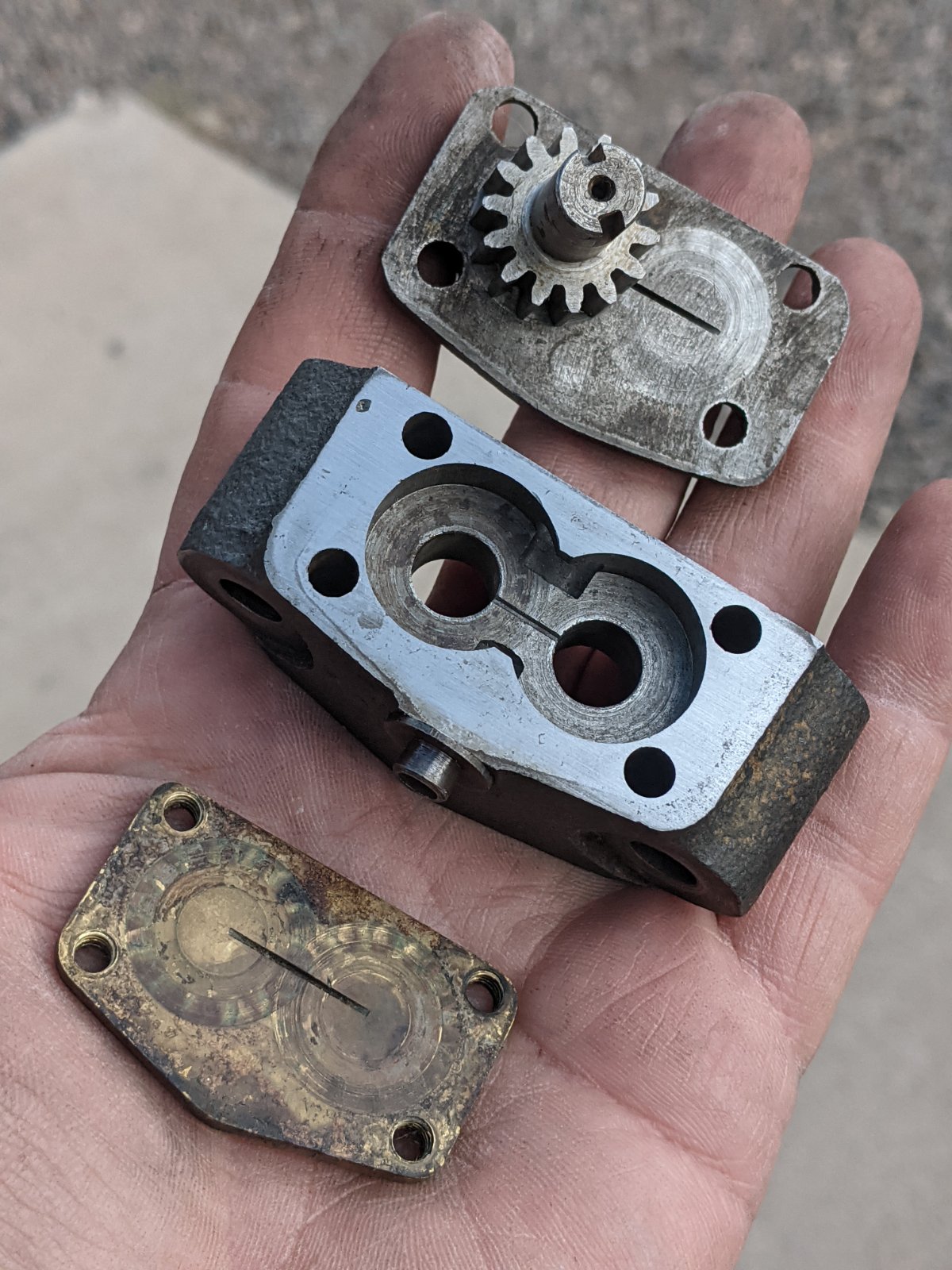
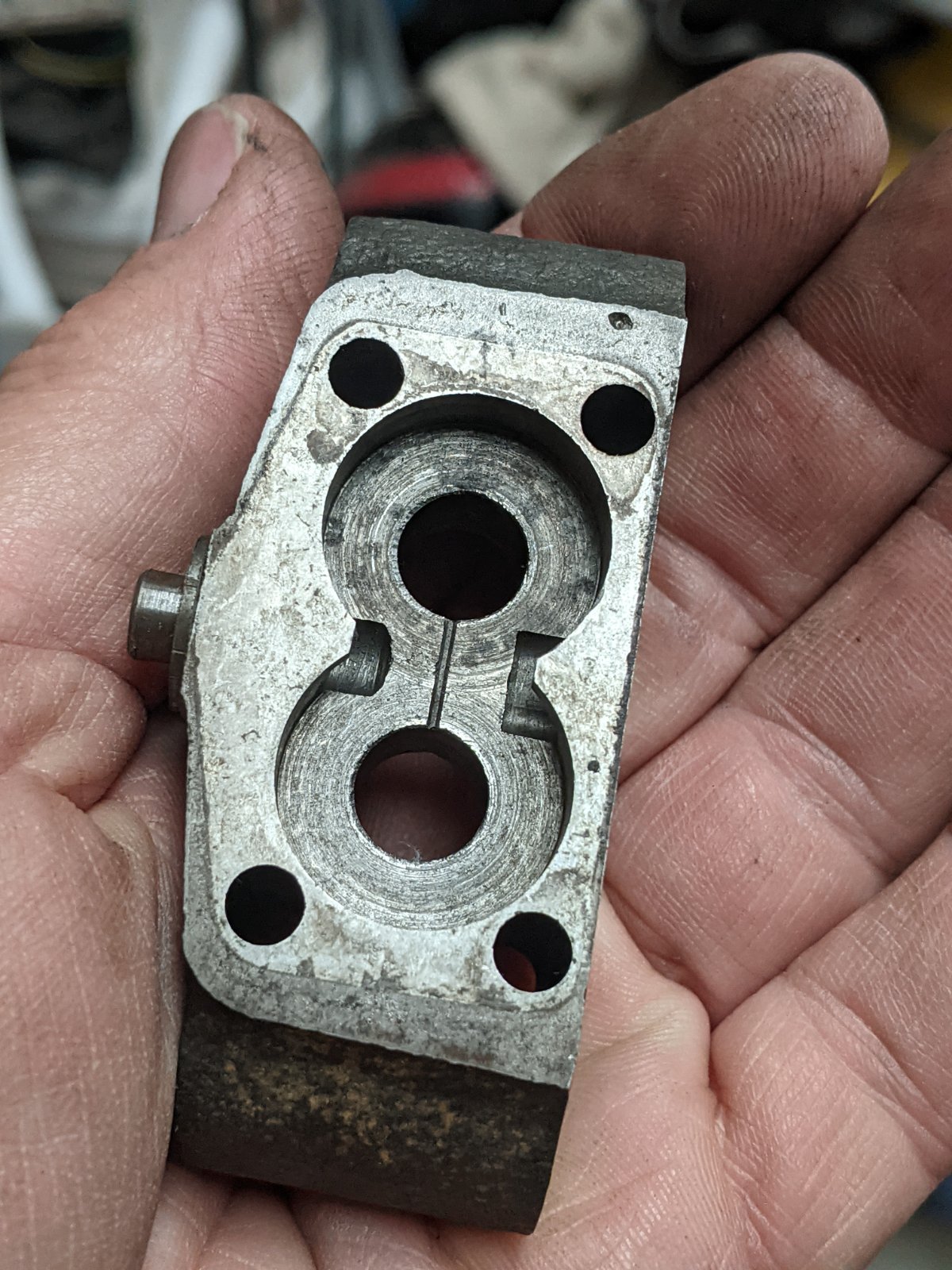
Tinkered with the oil pump tonight. I think I have it about right but I will want to replace the 4 screws that hold it together. The slot heads are entirely worn out. And I have misplaced the woodruff key as well.

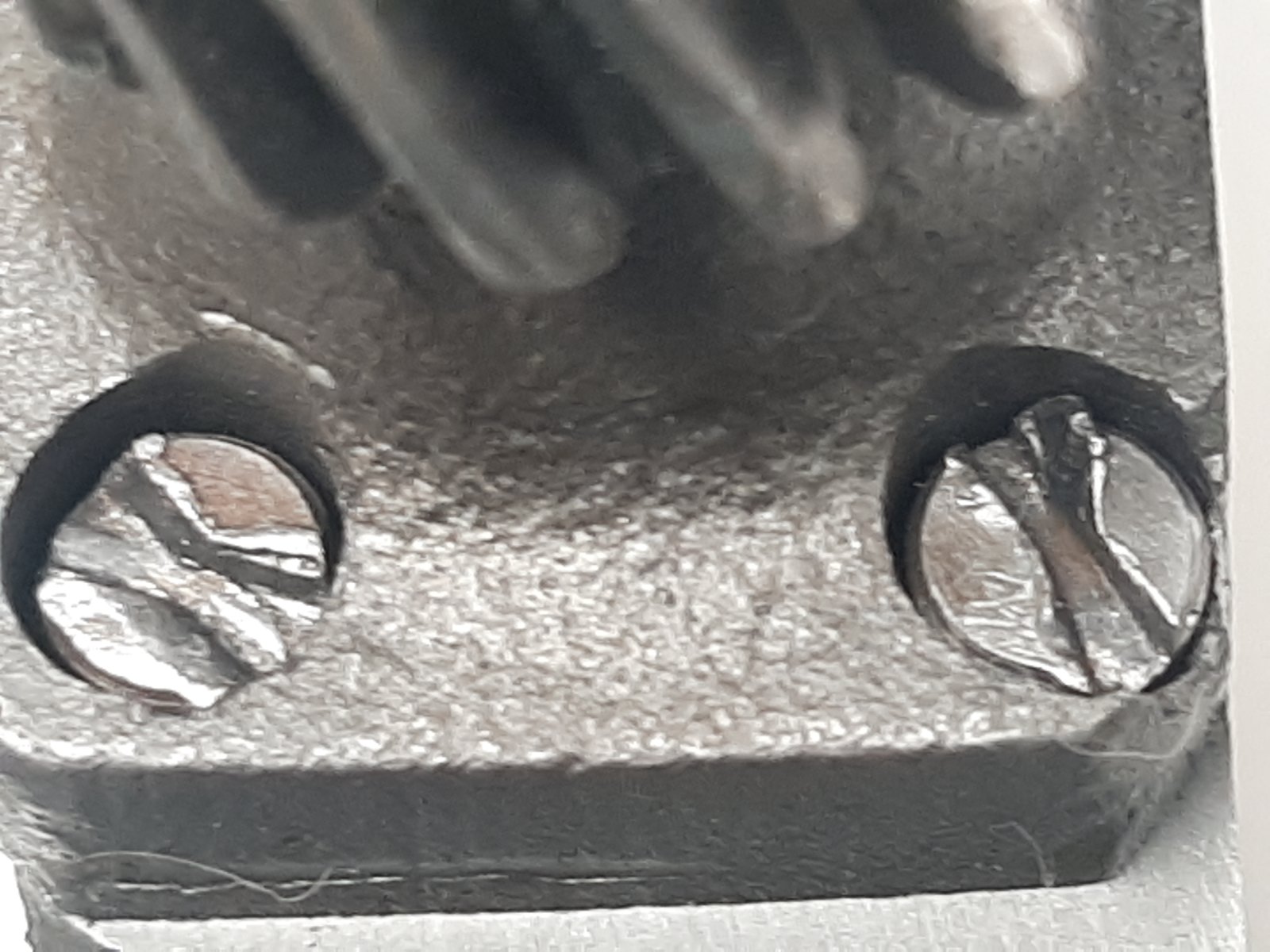
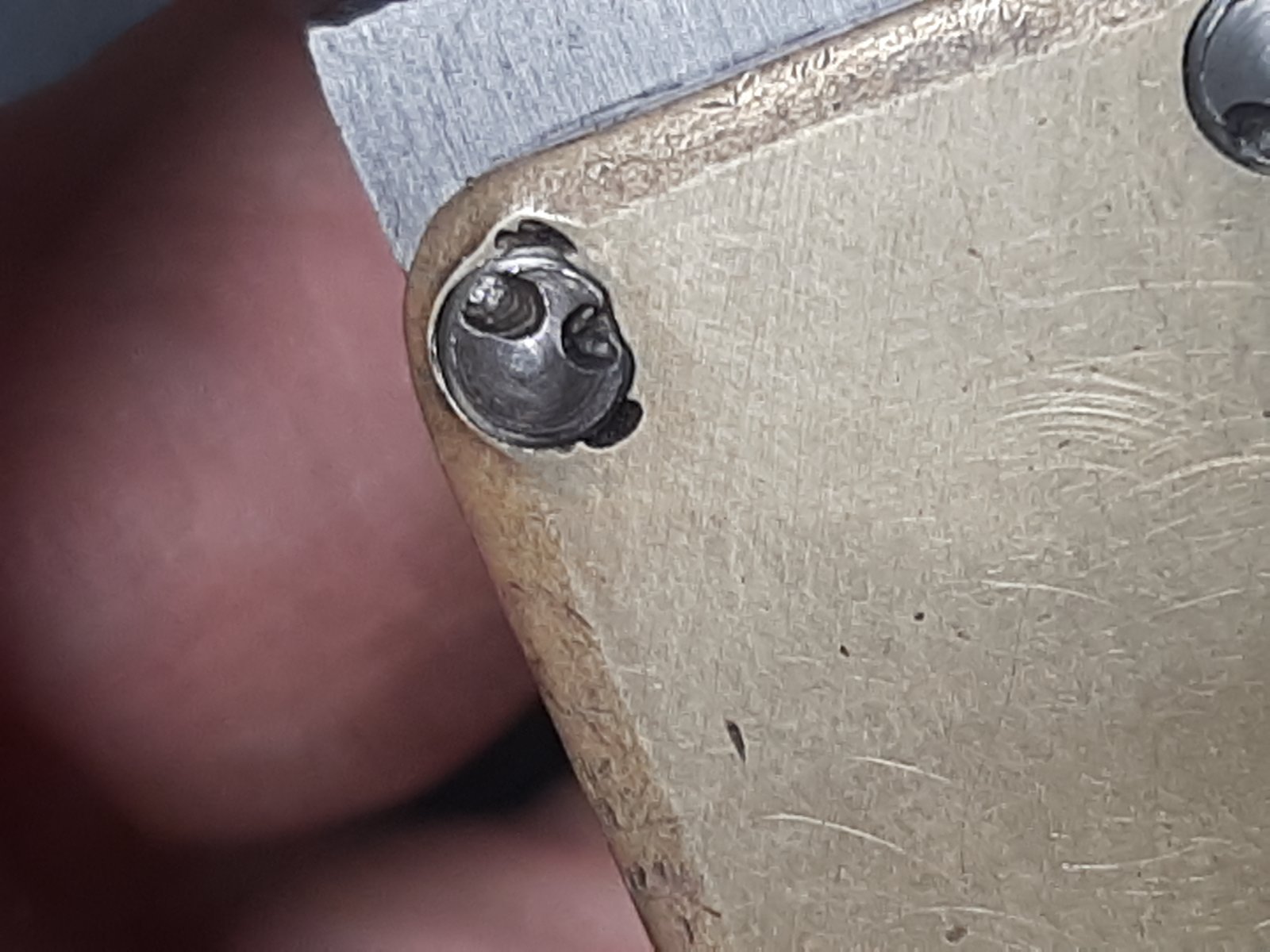
The screw heads being trashed is likely at least in part due to the screw ends having been each twice punched to lock them in place.

I have no recollection of having done this myself however it would not surprise me if I did it.

At any rate this caused me to need to run a tap through the back plate and run the screws through a die to make them at least usable.

1972 750 Interstate Resurrection
 
Tinkered with the oil pump tonight. I think I have it about right but I will want to replace the 4 screws that hold it together. The slot heads are entirely worn out. And I have misplaced the woodruff key as well.

The screw heads being trashed is likely at least in part due to the screw ends having been each twice punched to lock them in place.

I have no recollection of having done this myself however it would not surprise me if I did it.

At any rate this caused me to need to run a tap through the back plate and run the screws through a die to make them at least usable.

View attachment 121421View attachment 121420View attachment 121419View attachment 121418
What tap and die did you use?
 
It 'seemed' to match up well to a #10-32. The screws only had resistance at the first thread where they had been punched.
10-32 is close but wrong. You need new screws and a new bottom. New bottoms are not available. Next time you order something from me remind me and I'll send a used bottom.

For most fasteners, you can lookup the specs here: https://gregmarsh.com/MC/FastenersList.aspx
 
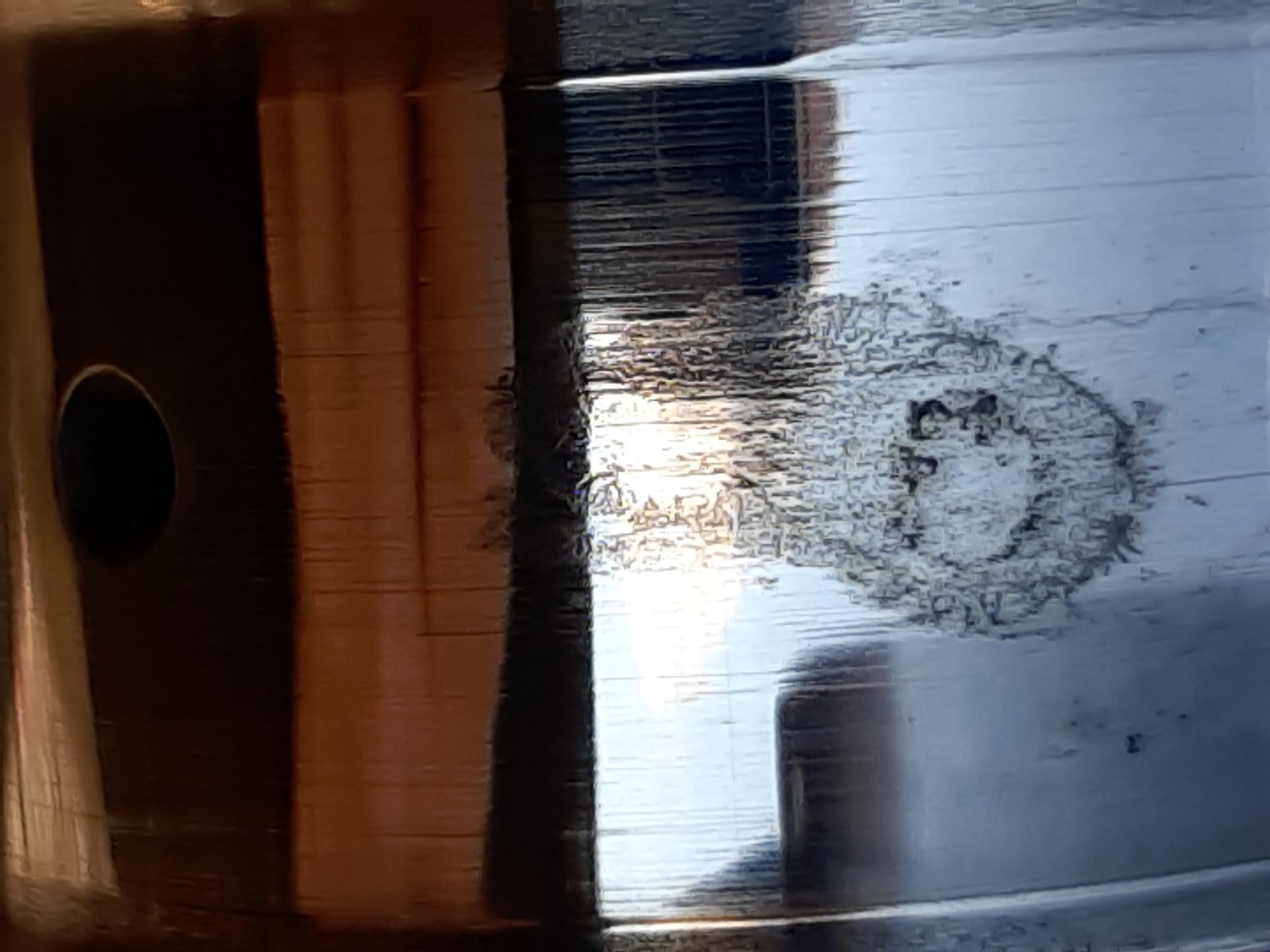
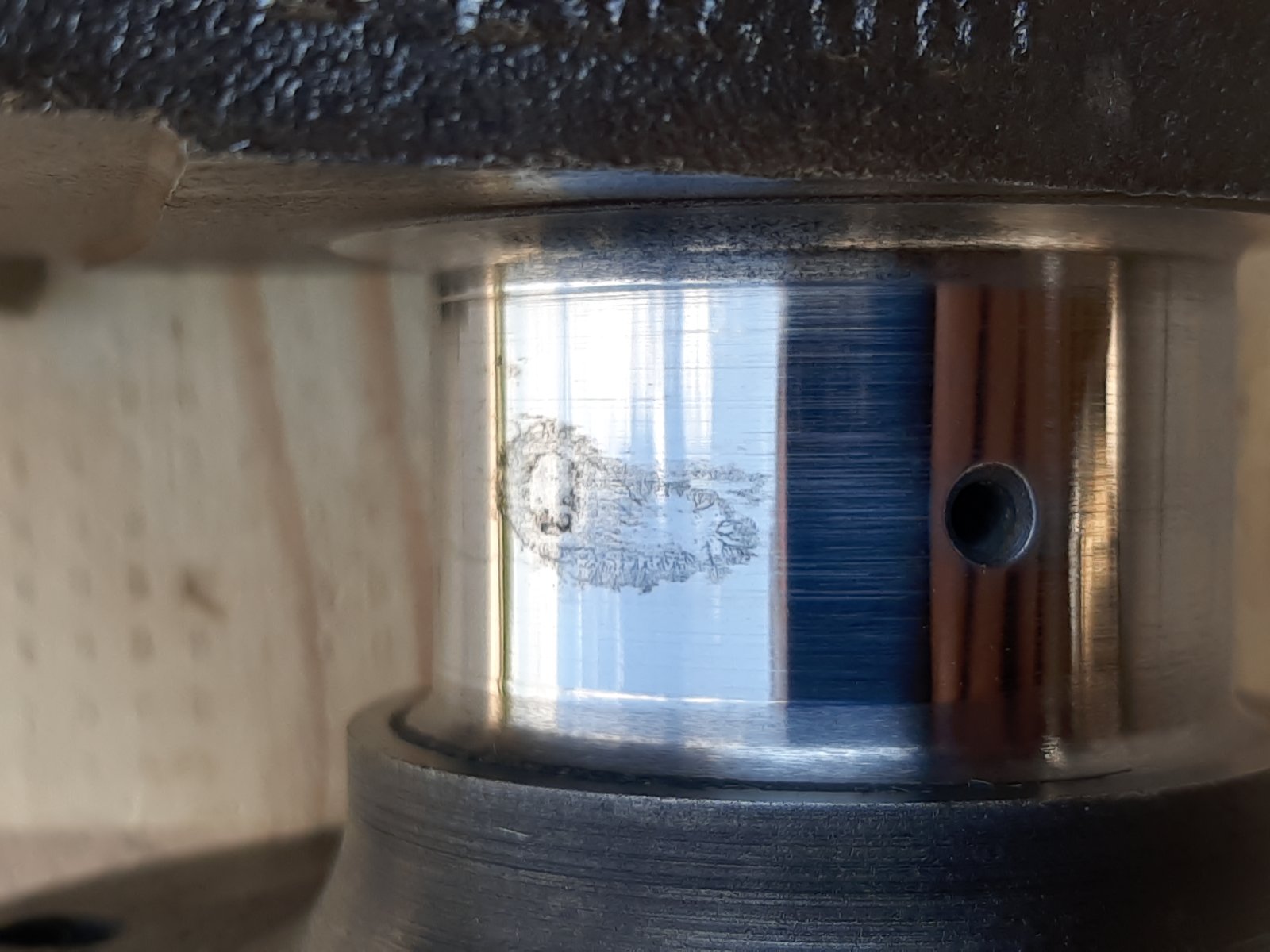
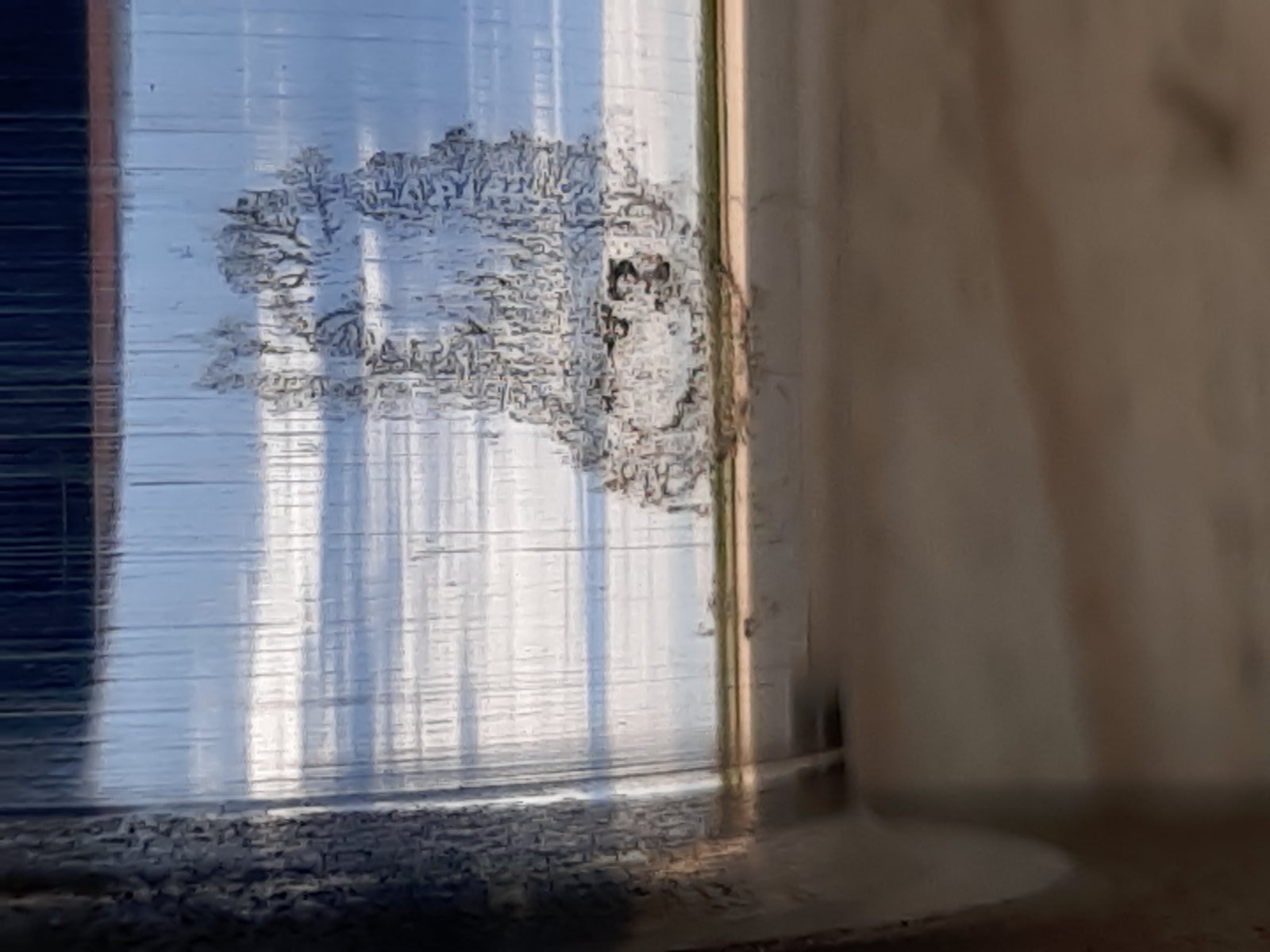
Cleaned up the now disassembled crankshaft today. While I do not own a micrometer I think I am looking at a regrind here.

Am I right?

1972 750 Interstate Resurrection
 
I would!
I would also purchase an Oil Filter Kit for your bike as it will help with your Sludge trap in the crank.
You need to send your crank without the center flywheel but with the dowel and bolted together. Make sure the Machinist knows how to grind a Norton Crank.
Read the Norton Work shop manual, section C21 regarding Radius 0.090" very important. Some others could recommend shops in the USA. If not I have sources here in Canada.
 
Last edited:
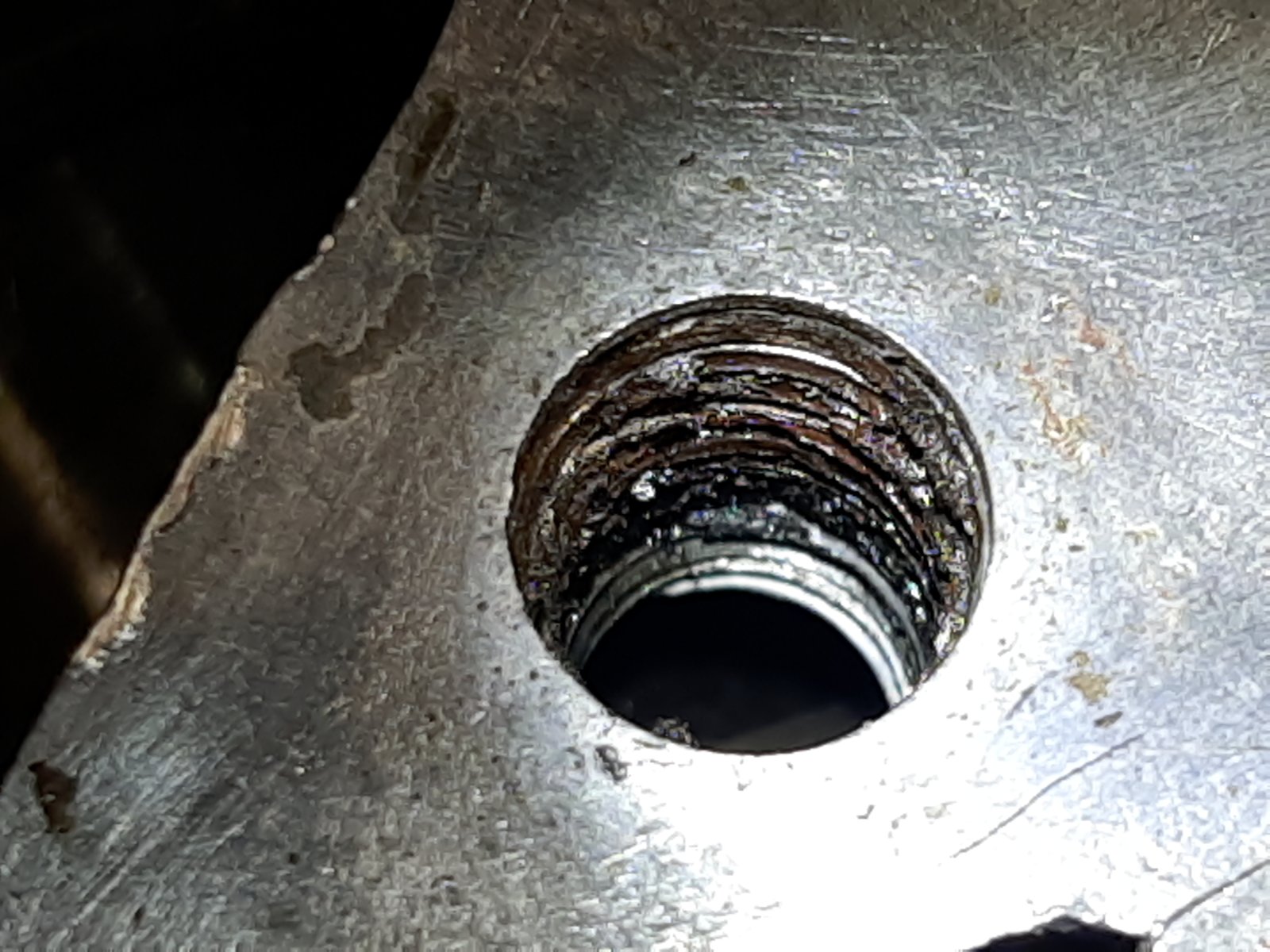
So is there a go-to fix for this?? It's for the front center stud for the cylinder barrel.

What a mess! Best I can tell there was a perhaps M10x1.5 stud in there. I may be responsible for this, it would have been like 45 years ago!

Helicoil/Time-Sert or the like, but what stud may be available? The original 06-2641 looks awfully short on the case end?


1972 750 Interstate Resurrection
 
Cleaned up the now disassembled crankshaft today. While I do not own a micrometer I think I am looking at a regrind here.

Am I right?

View attachment 121440View attachment 121439View attachment 121438
Once again, if nothing is sticking above the surface and the size its right, a polish and it would run. I would like to see it ground, but the only two places I trust are a problem right now. So, it would be eBay time for me. In fact, I've never had one ground, I've always bought good used ones on eBay and sold my bad ones to defray the cost. Jim Comstock (http://nortonmachineshop.com/) would be the best, but his backlog is literally years. cNw is reasonable and might do it (not sure if they are backlogged), https://coloradonortonworks.net/cnw-machining-services You would have to have the two halves there in September.

I the US, many bikes were ridden very little and are being parted out now. Most that sat for years did not suffer the things you're encountered. See the third picture here: https://gregmarsh.com/MC/Norton/Norton_1972.aspx There were quite a few good parts there after sitting unprotected outside since 1976! The connecting rods were fine, the crank cleaned up and was in MUCH better condition than yours. The timing chest components were all good. The cylinders on the floor in the first picture were perfect as were the tappets.

As @CanukNortonNut says, you need to add the oil filter kit: 06.4283P It became standard sometime in 1972 (if memory serves). Here's how to add it: https://www.nwno.org/resources/OldBrittsWebsite/filter_mount.html
 
That marking on the crank journal looks to be corrosion close to the oil bleed hole in the top shell where the con rod stopped before the bike was laid up. Possibly caused by acid build up in the oil or moisture getting in through the con rod oil bleed hole, so a lesson on oil change frequency in the future. I fit bottom shells top and bottom so the hole is blocked.
 
Back
Top