1972 750 Interstate Resurrection

That marking on the crank journal looks to be corrosion close to the oil bleed hole in the top shell where the con rod stopped before the bike was laid up. Possibly caused by acid build up in the oil or moisture getting in through the con rod oil bleed hole,

No doubt that corrosion is where that oil hole was during the 40 years or more than the bike lay disassembled. The head was removed during that time but the rest of the engine was left together until some time in the last 12 years or so.

With my digital digital caliper there seems to be a low area where the corrosion is evdient. Maybe a couple thousandths. I wonder if the low area was there first, before the storage and resultant corrosion.

The other sides' journal has just a light grey circle from that oil hole and no low spots.


lesson on oil change frequency in the future

No doubt, my attention to such things was poor in 1978 !
 
I had read a post not too long ago where they had their crank balanced etc by MarineCrankShaftInc.
May have been me.
They did mine.

Once again, if nothing is sticking above the surface and the size its right, a polish and it would run. I would like to see it ground, but the only two places I trust are a problem right now. So, it would be eBay time for me. In fact, I've never had one ground, I've always bought good used ones on eBay and sold my bad ones to defray the cost. Jim Comstock (http://nortonmachineshop.com/) would be the best, but his backlog is literally years. cNw is reasonable and might do it (not sure if they are backlogged), https://coloradonortonworks.net/cnw-machining-services You would have to have the two halves there in September.

I the US, many bikes were ridden very little and are being parted out now. Most that sat for years did not suffer the things you're encountered. See the third picture here: https://gregmarsh.com/MC/Norton/Norton_1972.aspx There were quite a few good parts there after sitting unprotected outside since 1976! The connecting rods were fine, the crank cleaned up and was in MUCH better condition than yours. The timing chest components were all good. The cylinders on the floor in the first picture were perfect as were the tappets.

As @CanukNortonNut says, you need to add the oil filter kit: 06.4283P It became standard sometime in 1972 (if memory serves). Here's how to add it: https://www.nwno.org/resources/OldBrittsWebsite/filter_mount.html

Marine Crankshaft is endorsed by Ken Canaga, aka LCR Ken and Jim Comstock, akja comonuz.
They are in my backyard, so I dropped it off.
When I got there, I was a little intimidated as there were what looked like 100's of cranks in there.
All I could think of is I'm just a shade tree hobbyist and these guys are top shelf.
Do they even want to take this antique in.
The young man couldn't have been more pleasant.
Said, they do a lot of old British stuff.
I had a couple of questions, he says, just a minute.
Goes over to a guy grinding a crank, waits for the proper moment and brings him over.
It's David Eden... He looks at the crank and simply says Norton Commando...
He answered my questions.
Then I asked if they needed it disassembled or the shorter bolts.
Nope, we have it all. Just leave it with the rods, pistons etc. Be done in about 2 weeks.
2 1/2 weeks later picked it up.
Gound an balanced.
 
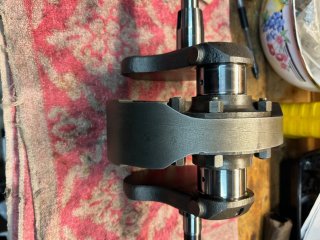
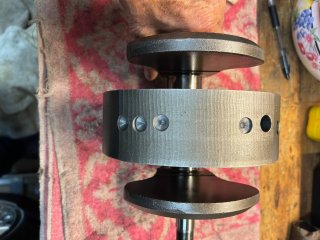
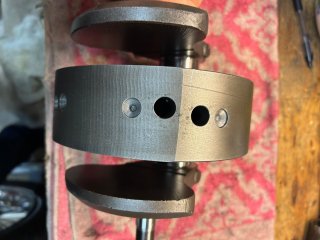
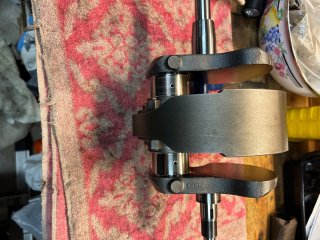
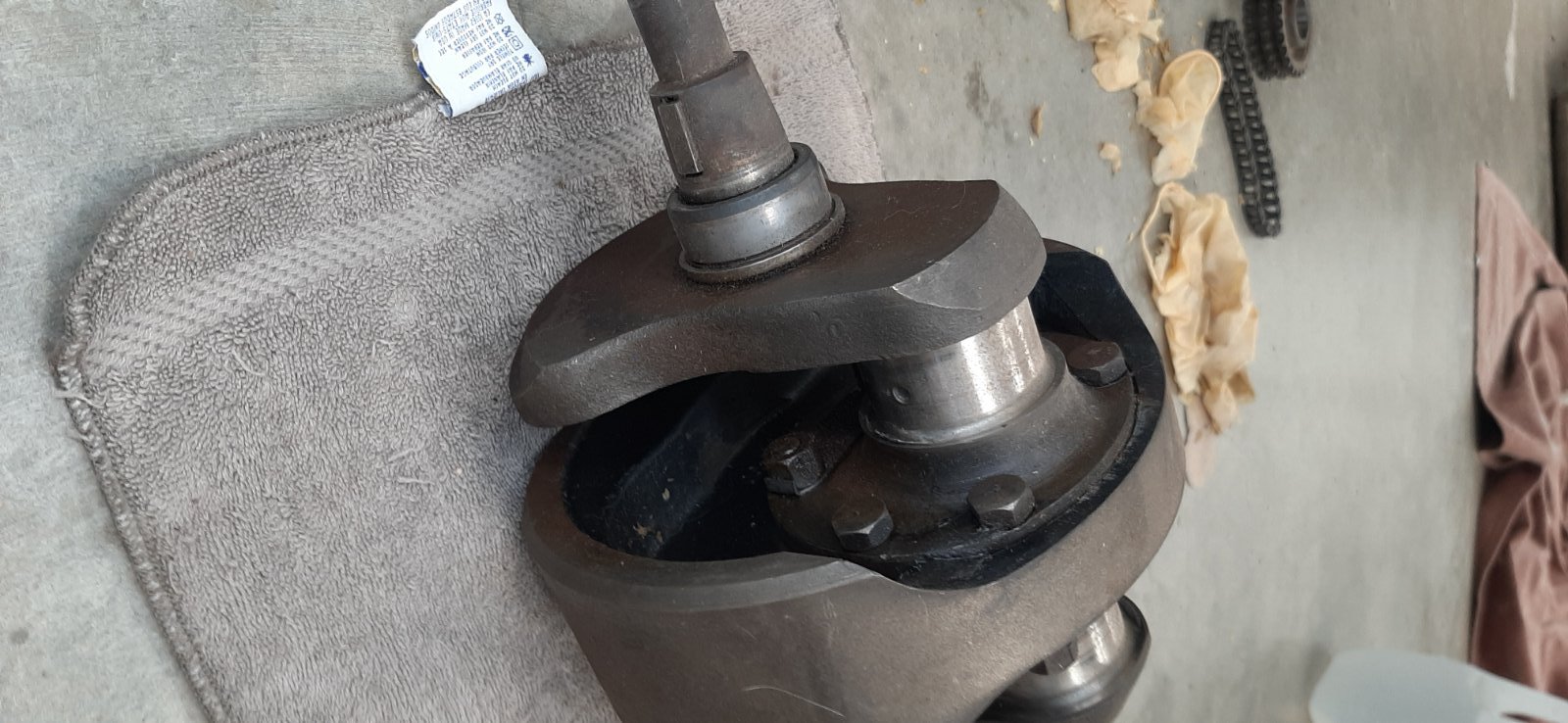
Here's pix of the crank.

1972 750 Interstate Resurrection1972 750 Interstate Resurrection1972 750 Interstate Resurrection1972 750 Interstate Resurrection
 
You got the long nuts in the wrong place! They should be at the two top studs. Pay attention to the stud lengths as well. two studs will be longer for these long nuts. The other 4 would be for the shorter nuts. Did you pre-mark the (crank flywheel to cheek) with any markings so you get the crank flywheel the correct way on reassembly? I use a pin prick punch to mark the timing side to the flywheel to match up. One dot on the top of one cheek T/S and on the same T/S on the flywheel prior to disassembly to make sure these don't get mixed up on Reassembly. Your balance factor would be way off if the flywheel was installed incorrectly. :oops:
 
Last edited:
You got the long nuts in the wrong place! They should be at the two top studs. Pay attention to the stud lengths as well. two studs


This here caused me to revisit what I just saw and disassembled on my own crankshaft. And in doing that I came up with clear evidence that my crankshaft was disassembled and assembled incorrect before I bought the bike in 1975.

I have 4 bolts , 2 studs, 6 standard nuts, and 2 longer 'recessed' nuts as expected. Closely examining this hardware I see each of the 4 bolts had been punched in 2 locations. The manual mentions this punching.

However,,,, my 2 'top' bolt/stud locations, the ones closest to the journals had bolts and recessed nuts there.

I have a picture of this as I was disassembling because they were very tight in the holes and I had to hammer them back and forth a little at a time to loosen them up after I got the timing side cheek off.

20250818_203926.jpg


Now there is no way to punch a bolt the way these are punched while inside a recessed nut. EDIT: Or can you? I'm confused.

So my crank had been apart before the bike was even 3 years old. Perhaps when they replaced the main bearings.

So if they mixed up the hardware is there any way to see if they got the flywheel orientation correct? Like is the casting mark routinely on a particular side?? I would guess not since it is always advised to mark these things before disassembly.
 
Last edited:
Now there is no way to punch a bolt the way these are punched while inside a recessed nut. EDIT: Or can you? I'm confused.


Well now I have just examined things again and there is the slightest evidence that the recessed nuts were punched. I didn't see the kind of marks like those seen on the standard nuts.

So the studs are used at the 2 location furthest from the journals, where the dowel retaining lock plates are?? Where the nut ends cannot be punched due to the cheeks being in the way.

I may be slowly getting this right.

This is a shot of my crank back on July 5...
Is this right?

1972 750 Interstate Resurrection
 
This here caused me to revisit what I just saw and disassembled on my own crankshaft. And in doing that I came up with clear evidence that my crankshaft was disassembled and assembled incorrect before I bought the bike in 1975.

I have 4 bolts , 2 studs, 6 standard nuts, and 2 longer 'recessed' nuts as expected. Closely examining this hardware I see each of the 4 bolts had been punched in 2 locations. The manual mentions this punching.

However,,,, my 2 'top' bolt/stud locations, the ones closest to the journals had bolts and recessed nuts there.

I have a picture of this as I was disassembling because they were very tight in the holes and I had to hammer them back and forth a little at a time to loosen them up after I got the timing side cheek off.

View attachment 121457


Now there is no way to punch a bolt the way these are punched while inside a recessed nut.

So my crank had been apart before the bike was even 3 years old. Perhaps when they replaced the main bearings.

So if they mixed up the hardware is there any way to see if they got the flywheel orientation correct? Like is the casting mark routinely on a particular side?? I would guess not since it is always advised to mark these things before disassembly.
Perhaps TJB...

Your crank bolts sounds about right for your 72 bike... they came with Bolts and Nuts with two studs for the bottom run. 06.7120 is what you should have

My Combat and my P11 were fitted with these.
Then the 750/850 Ara where they changed to Studs and Nuts and UNF instead of Whitworth.
Then came the Mk3 which would be like this:
Larger studs and nuts.

But MichealB's has the studs and nuts package and the longer Nuts should be at the TDC end of the crank. Not down there in the first picture.
You "Can use" the newer style but not the Mk3 unless you want to Machine the holes to suite.
Good Questioning attitude.
Cheers,
Tom
 
Last edited:
I never reuse any of the studs/bolts/nuts. The correct studs for the top of the Pre-MK3 are a very tight fit and they along with the bottom pin control the location of the big ends relative to each other. All the others are simply to pinch it together. I always use part (kit): 06.7094 from AN.

I've had two chankshafts make it to the recycle bin because an idiot opened those top holes to make the studs slide in easily.
 
Greg,
Quoted.
"I've had two chankshafts make it to the recycle bin because an idiot opened those top holes to make the studs slide in easily."
It is a pity as you could have bored the holes and used the Mk3 bolts and Nuts. Careful milling and a dial indicator on the top of both throws would have done it using V blocks.
Don't you think?
IMHO there is more than one way to skin a Cat.
 
You got the long nuts in the wrong place! They should be at the two top studs. Pay attention to the stud lengths as well. two studs will be longer for these long nuts. The other 4 would be for the shorter nuts. Did you pre-mark the (crank flywheel to cheek) with any markings so you get the crank flywheel the correct way on reassembly? I use a pin prick punch to mark the timing side to the flywheel to match up. One dot on the top of one cheek T/S and on the same T/S on the flywheel prior to disassembly to make sure these don't get mixed up on Reassembly. Your balance factor would be way off if the flywheel was installed incorrectly. :oops:
I never reuse any of the studs/bolts/nuts. The correct studs for the top of the Pre-MK3 are a very tight fit and they along with the bottom pin control the location of the big ends relative to each other. All the others are simply to pinch it together. I always use part (kit): 06.7094 from AN.

I've had two chankshafts make it to the recycle bin because an idiot opened those top holes to make the studs slide in easily.
Yes and yes...

I didin't mention I replaced the studs and nuts and the picture is how I received the crank back from them. I was a little disappointed in the nut loactions. The studs were correct but the nuts obviously weren't. I checked the flywheel orientation and couldn't tell.
Decided they disassembled to turn it .0010, clean the trap, then reassembled with the nuts incorrectly.
Figuring they balanced it in this orientation, I wasn't concerned about the flywheel. Biggest concern was the balance with the nuts in a different location. Decided it wasn't a big deal on a rubber mounted Commando.
Soooo, I installed new studs and nuts correctly, loctite, peened them and moved on..
 
Greg,
Quoted.
"I've had two chankshafts make it to the recycle bin because an idiot opened those top holes to make the studs slide in easily."
It is a pity as you could have bored the holes and used the Mk3 bolts and Nuts. Careful milling and a dial indicator on the top of both throws would have done it using V blocks.
Don't you think?
IMHO there is more than one way to skin a Cat.
True after spending a few thou to get a milling machine, V Bblocks, dial indicators and clearing space to use them. Only takes $200-$350 to get a good used crank!
 
I would like to see it ground, but the only two places I trust are a problem right now. So, it would be eBay time for me. In fact, I've never had one ground, I've always bought good used ones on eBay and sold my bad ones to defray the cost. Jim Comstock (http://nortonmachineshop.com/) would be the best, but his backlog is literally years. cNw is reasonable and might do it (not sure if they are backlogged), https://coloradonortonworks.net/cnw-machining-services You would have to have the two halves there in September.


Got some welcome news yesterday. Colorado Norton Works will do my crankshaft regrind with their upcoming 'season'.

On other fronts, everywhere I look are worn out parts!
 
Got some welcome news yesterday. Colorado Norton Works will do my crankshaft regrind with their upcoming 'season'.

On other fronts, everywhere I look are worn out parts!
Great - you can count on it being right. In case Matt didn't impress it enough - be damned sure it gets there in September! Consider sending your oil tank at the same time. I use that service on every Commando build that has a side mounted tank.

 
Last edited:
Just knocked out the old original isolastics at the front mount. Not too difficult with everything apart. While there decided to wire brush the thing as it looks horrendous.

Evidently I travelled gravel roads a bit back in the 70s.

1972 750 Interstate Resurrection
 
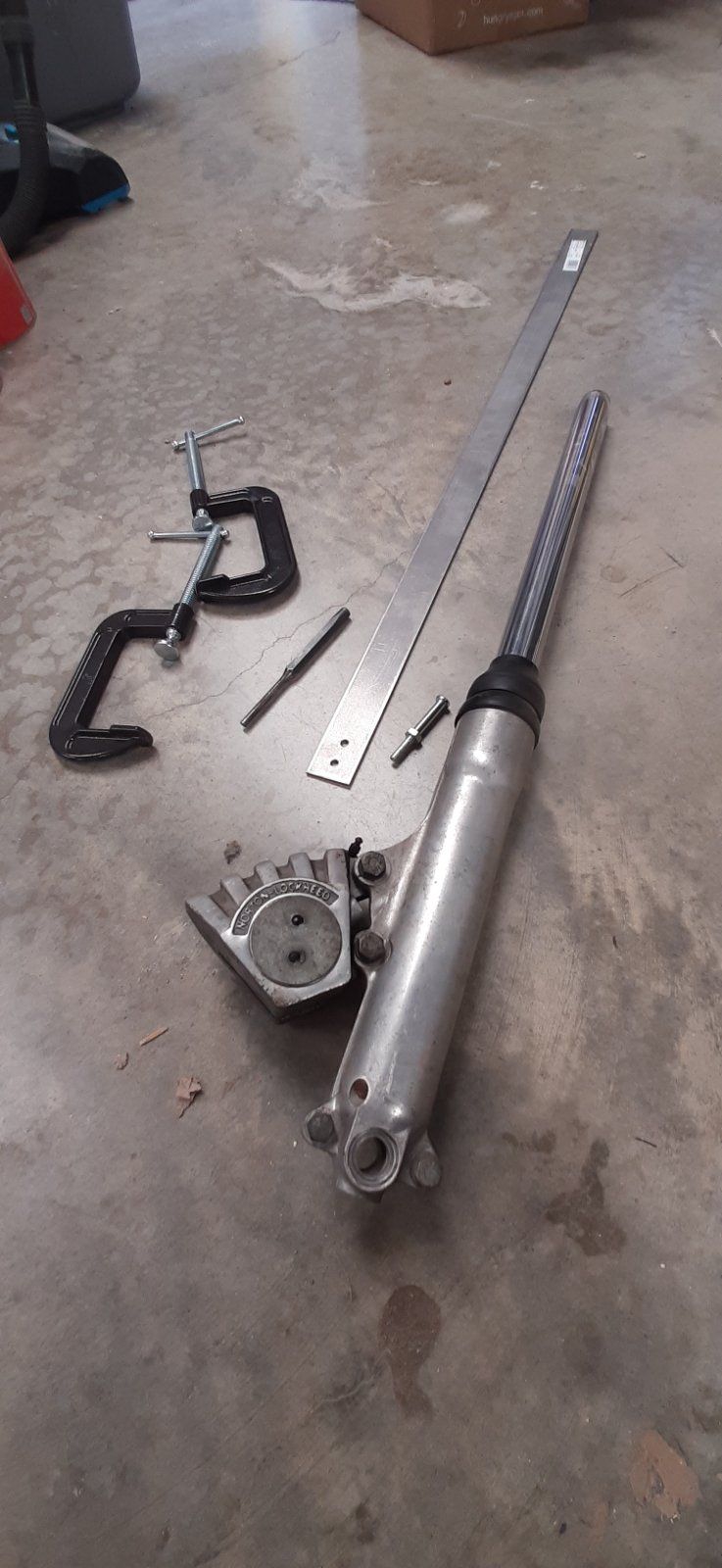
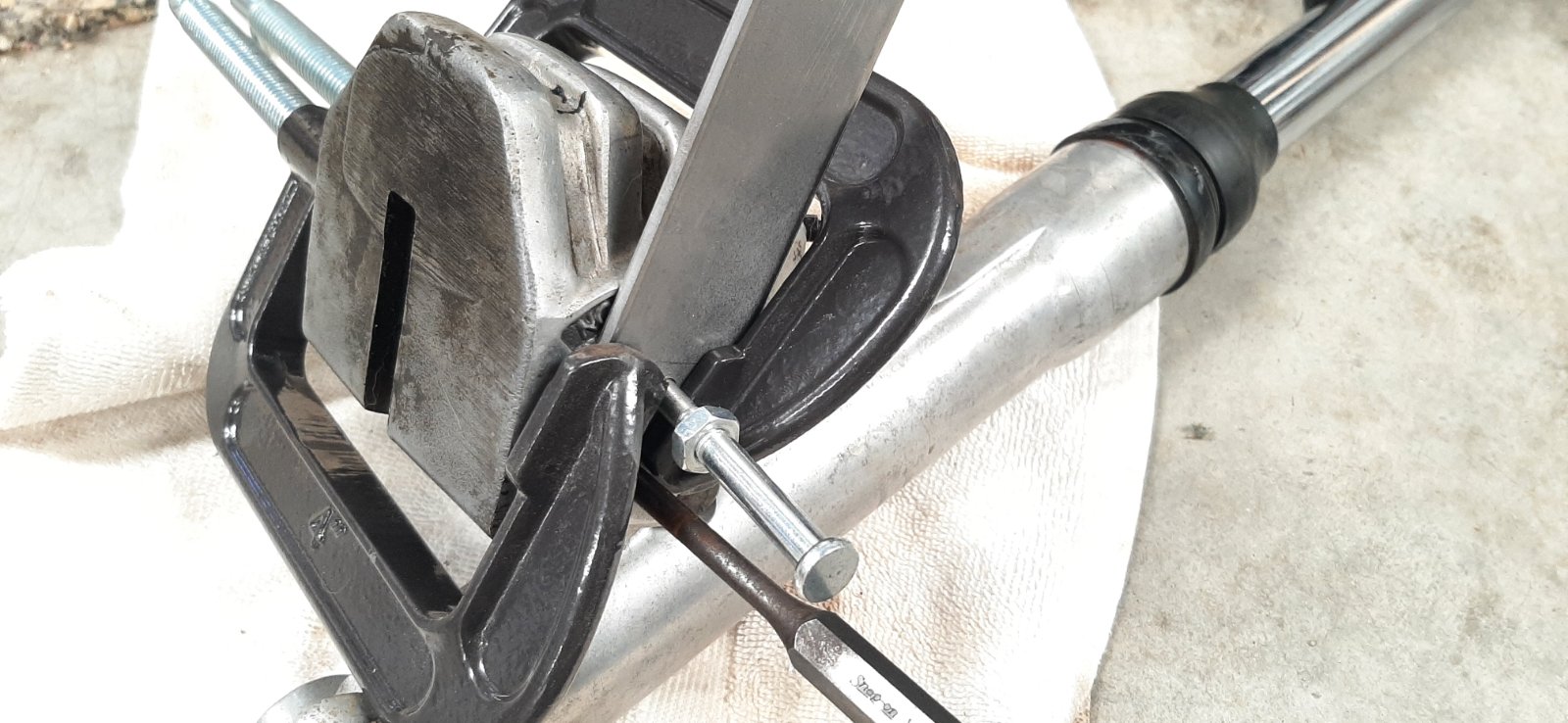
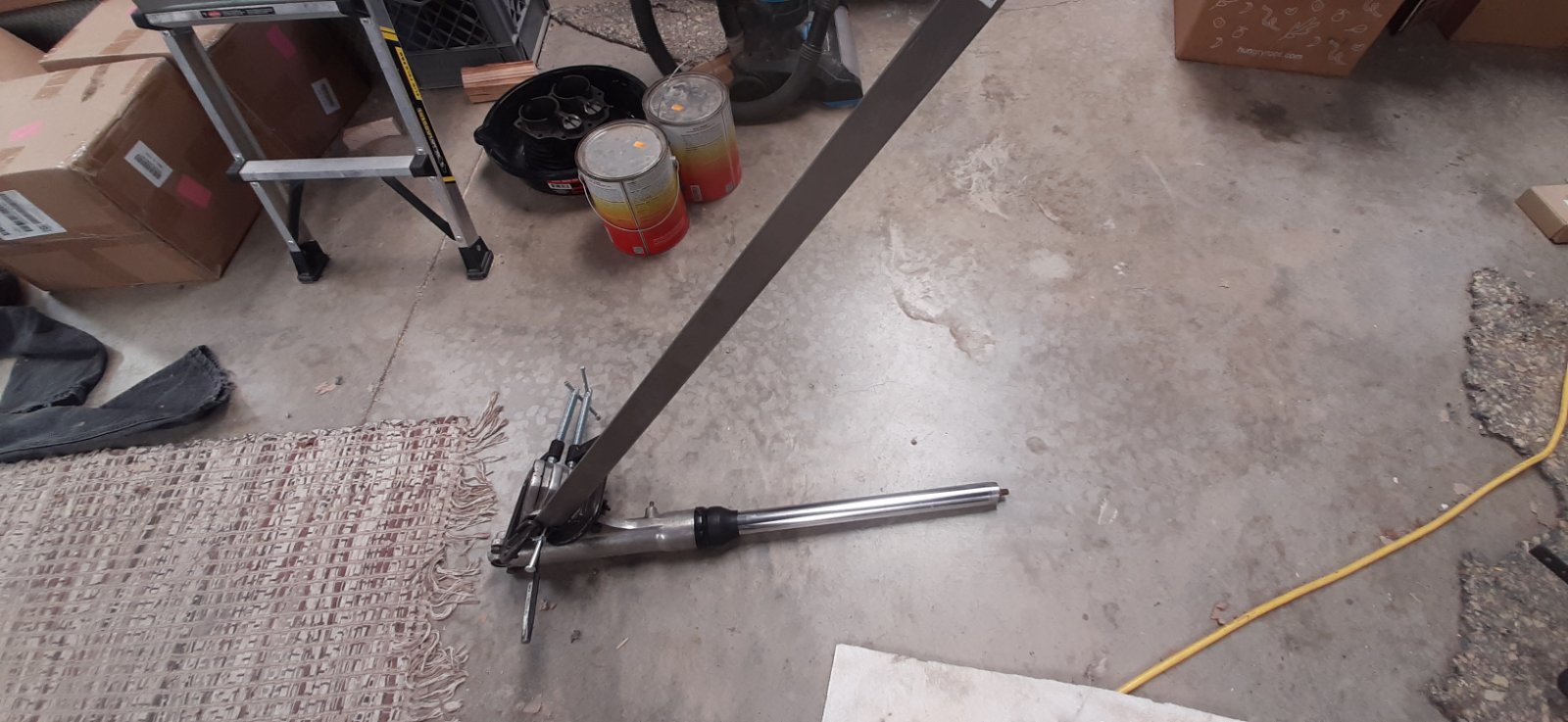
They weren't lying !! No special tool available but I prevailed ;)

20250902_121918.jpg
20250902_121841.jpg
20250902_121549.jpg
20250902_121621.jpg


I still need to free the piston from the master cylinder though.
 
They weren't lying !! No special tool available but I prevailed ;)

View attachment 121564


I still need to free the piston from the master cylinder though.
That special tool is quite useful as it does four jobs on the bike.

The piston should simply pull out assuming you have the boot free. If not, there's a good chance that the M/C is pitted and therefore toast.
 
The piston should simply pull out assuming you have the boot free. If not, there's a good chance that the M/C is pitted and therefore toast.

Well it didn't exactly "just pull out", but I got it out,, After breaking it free by putting the affair onto the handlebars and squeezing the lever quite firmly.

20250902_135244.jpg


I cleaned it up enough to allow me to reassemble it only to use it to push out the caliper piston on the blind side.

I did gently use my BernzOmatic TS9000 to get the master cyclinder reservoir cap off yesterday before geting into the caliper.

I tend to be a little gun shy with heating things I have never been inside of before.
 
Last edited:
Back
Top