Torontonian
MEMBER
- Joined
- Dec 2009
- Messages
- 5,856

Proceed. All apart .

Proceed. All apart .


 andover-norton.co.uk

Two additional thing on grinding the followers is to do the final grind in the same direction that the cam moves across the surface then polish with metal polish to remove the microscopic burrs left by the grinding (the latter polishing should also be done on reground big ends).This is very helpful and reassuring to see a clearance mentioned. I'm on the loose side but within that range.
Makes sense.
I bought the surface stone and papers you linked to previously. Working on the tappet faces is exactly the sort of slow tedious project I need to keep me busy while I occasionally fiddle with other items.
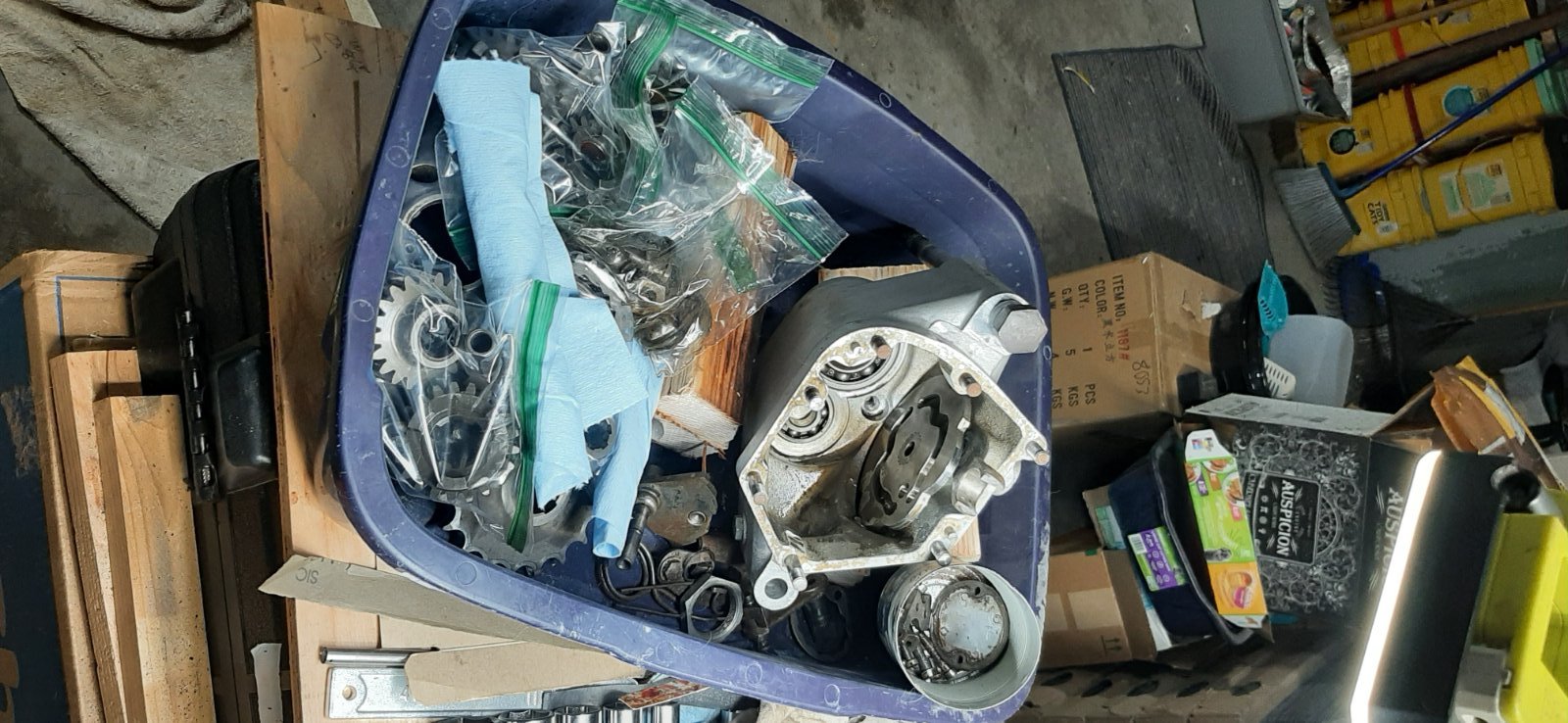
Just now I got the gearbox shifter loose. It would not move previously. When I found it locked up, the shafts rotated fine, just the shifter was locked up. I put ATF in there and let that soak for a month or so. Most leaked out of these old shaft seals of course. Today it still wouldn't budge. I put a wrench on the shift cam retaining bolt head and very carefully applied a little force this way and that and it began to move. So a lot of back and forth action and it attains all gears now. Naturally the whole thing needs to come apart for inspection and whatever but it is nice to see it move again.


Glad you're back at it, Greg!If there is anything higher than the overall surface, carefully get rid of it. If the scratches are inwards, quit thinking about them.
When refacing, I usually start with 800, then 1000, then 1500, then 2000 and then go through the papers I recommended. When finished you'll be able to see yourself clearly in them and you are taking off no ore than .001"-.002". It's critical to keep them flat and use the surface plate. They would probably be fine after the 2000 but I go the extra mile - does not take long.

Sort of! I'm a 75-year-old moving at 90-year-old speed and having to keep one eye closed to be able to see sucks!Glad you're back at it, Greg!
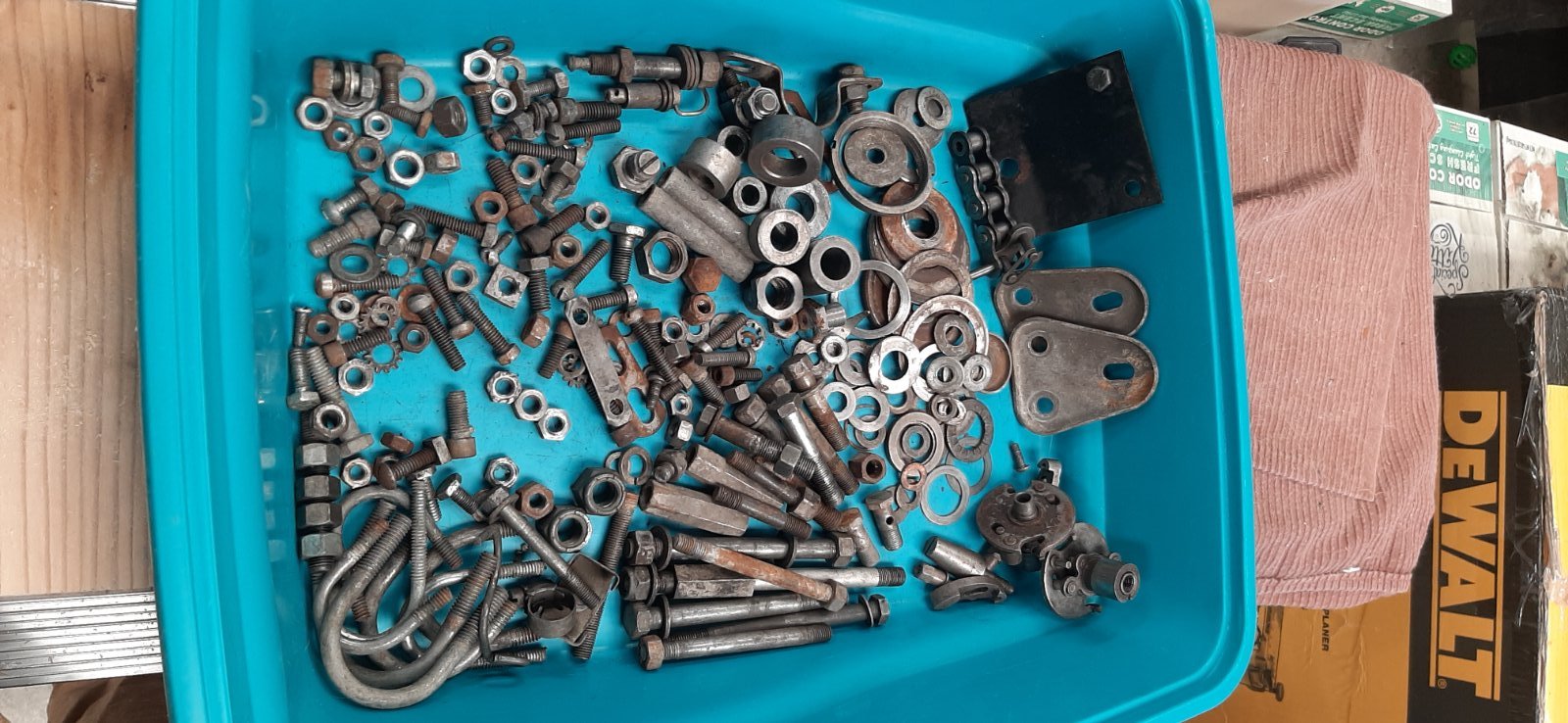
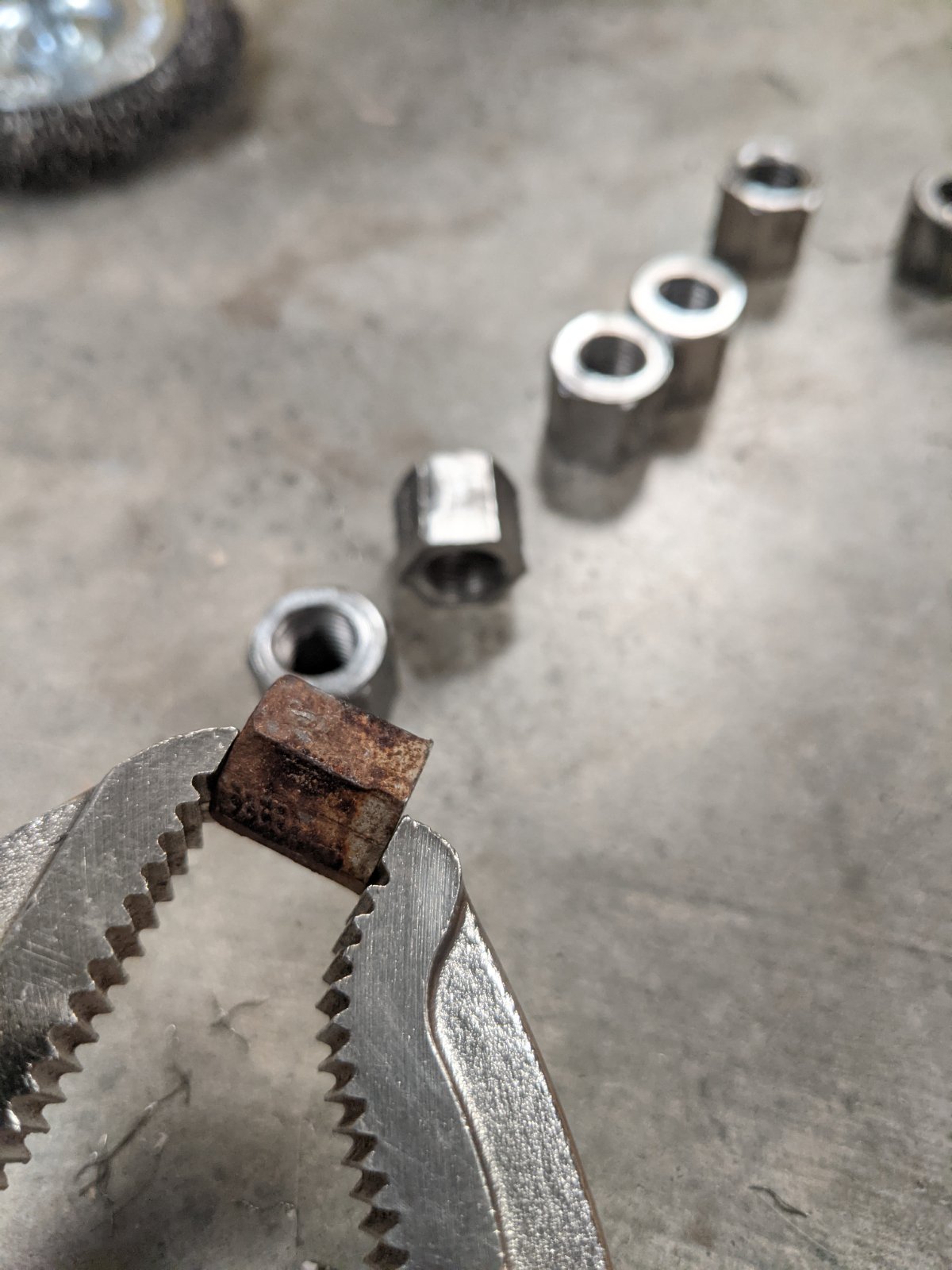
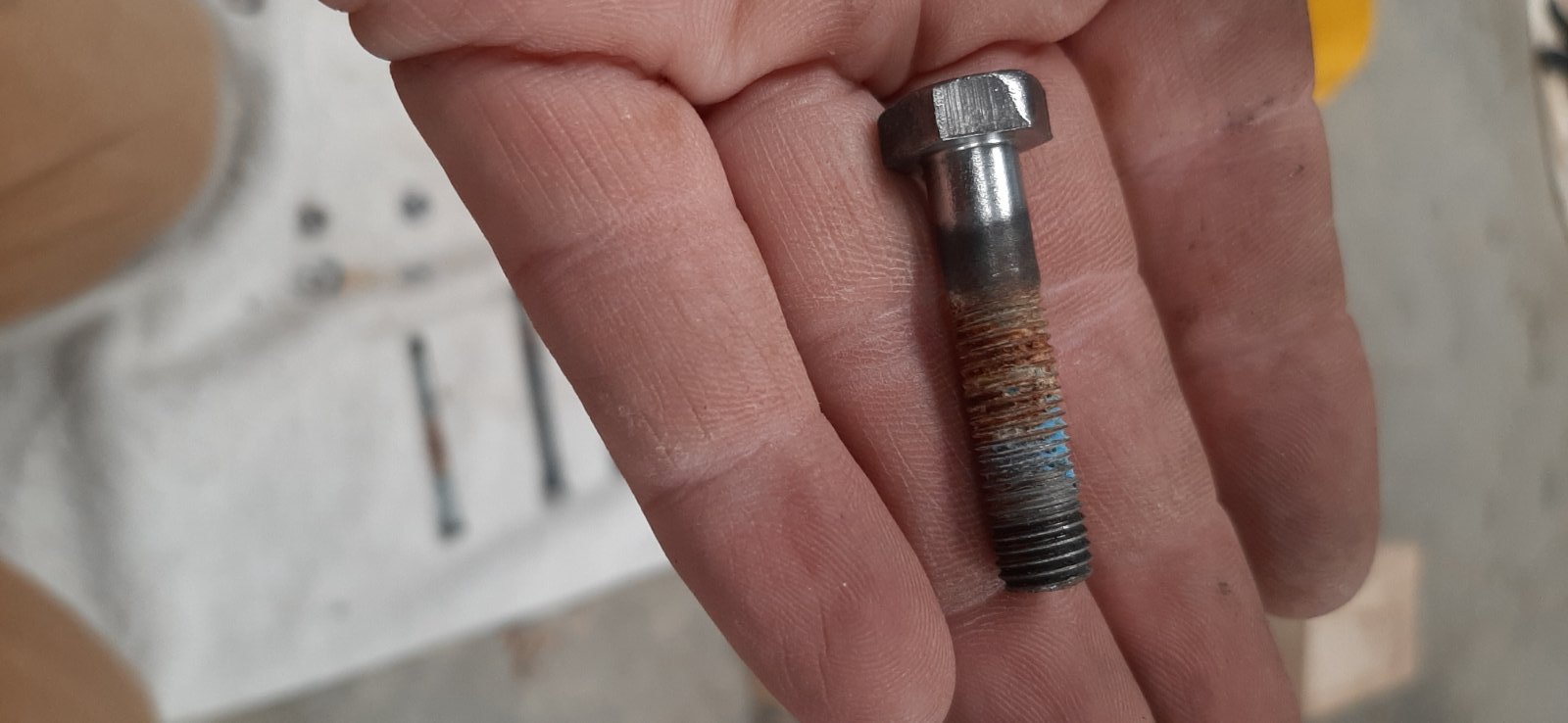
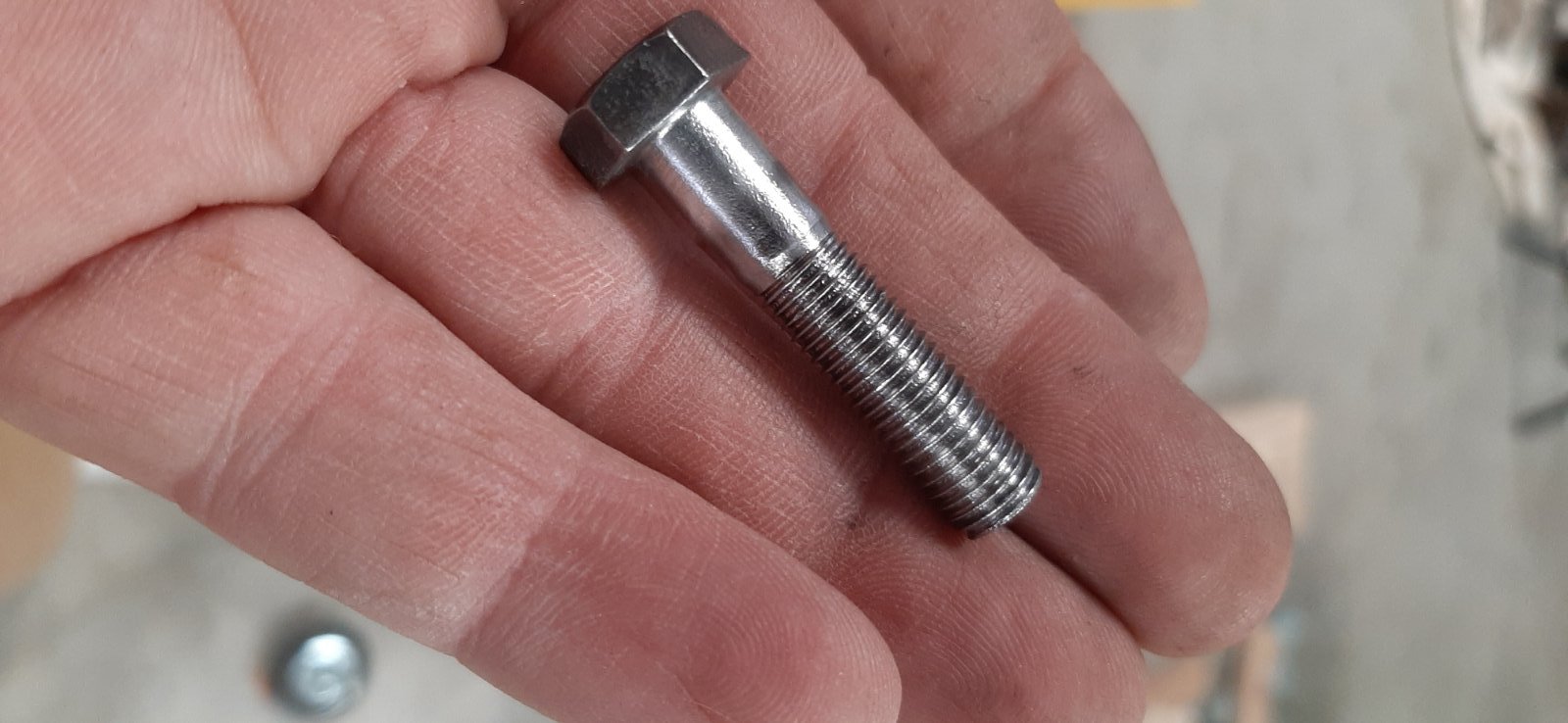
I'd box that in a USPS flat-rate box, with any other dull/rusty fasteners and metal bits that I could find in my shop and send the whole batch to Burbank Playing (Pacoima, CA) for their "White Cadmium" plating, including post-process heat-treating to avoid hydrogen embrittlement. They do flat rate minimum batches of 15# I believe, then it's per pound over that amount. Believe it or not, I once managed to get 55# in a double-wrapped MEDIUM size USPS flat rate box! The USPS guy at the counter couldn't believe it when I managed to get it up on his scale (I simply had to know what it weighed). I insured it for like $500...
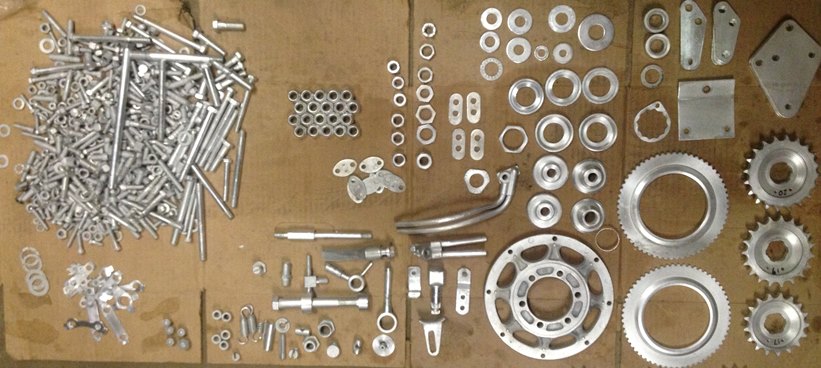
I'd box that in a USPS flat-rate box, with any other dull/rusty fasteners and metal bits that I could find in my shop and send the whole batch to Burbank Playing (Pacoima, CA) for their "White Cadmium" plating, including post-process heat-treating to avoid hydrogen embrittlement. They do flat rate minimum batches of 15# I believe, then it's per pound over that amount. Believe it or not, I once managed to get 55# in a double-wrapped MEDIUM size USPS flat rate box! The USPS guy at the counter couldn't believe it when I managed to get it up on his scale (I simply had to know what it weighed). I insured it for like $500...
View attachment 121356
The person on the phone will ask you. I think the option is more "silver" / SHINYI may call them at some point. Their website doesn't list a "white" option currently.
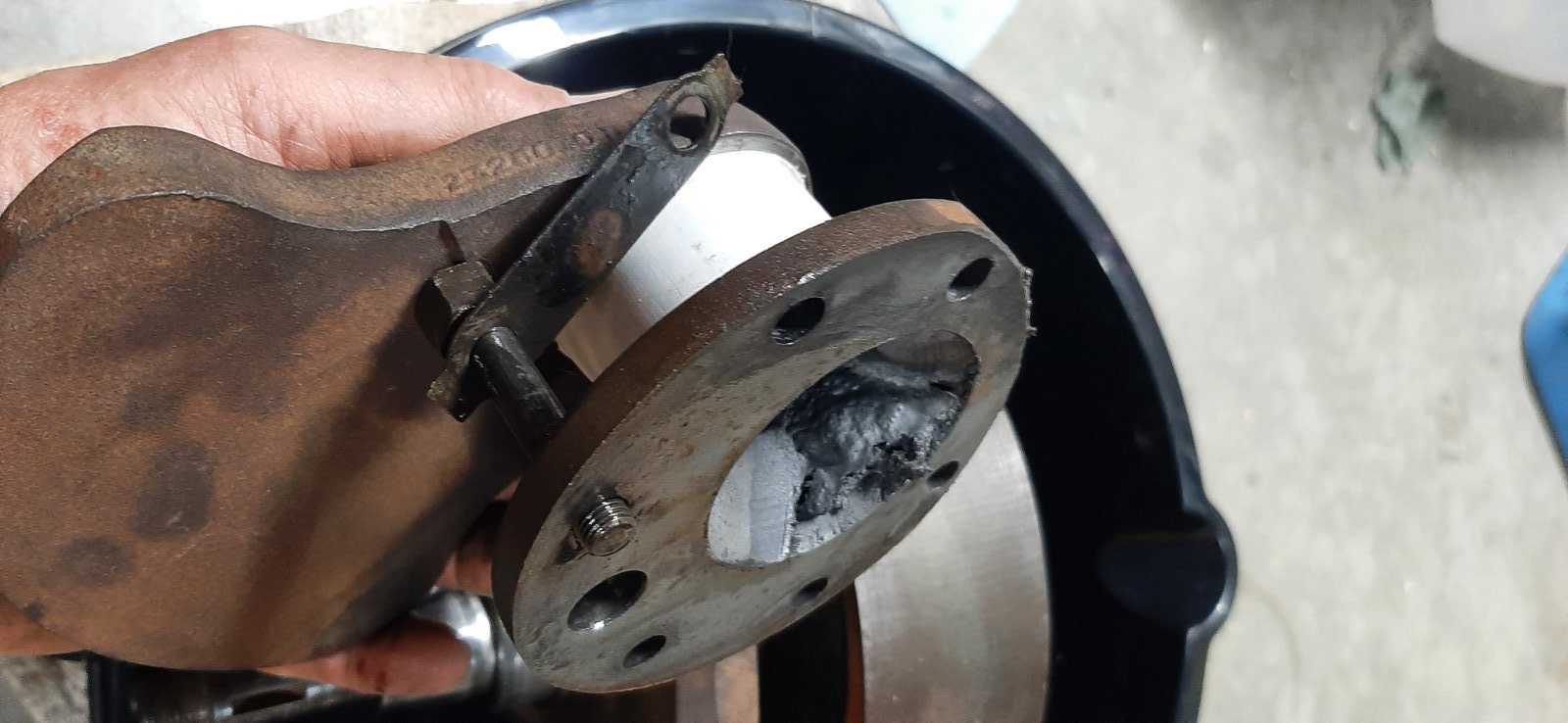
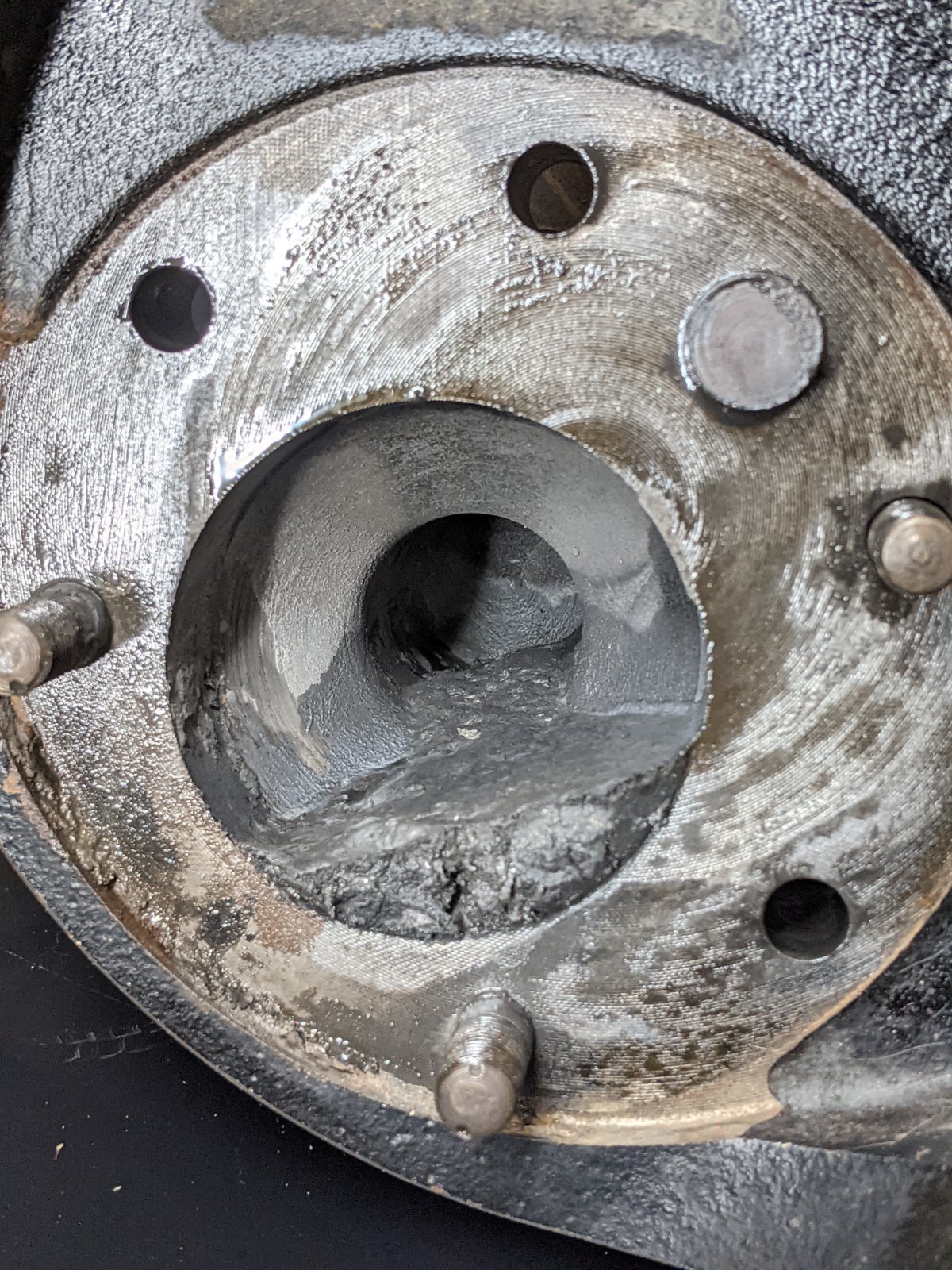

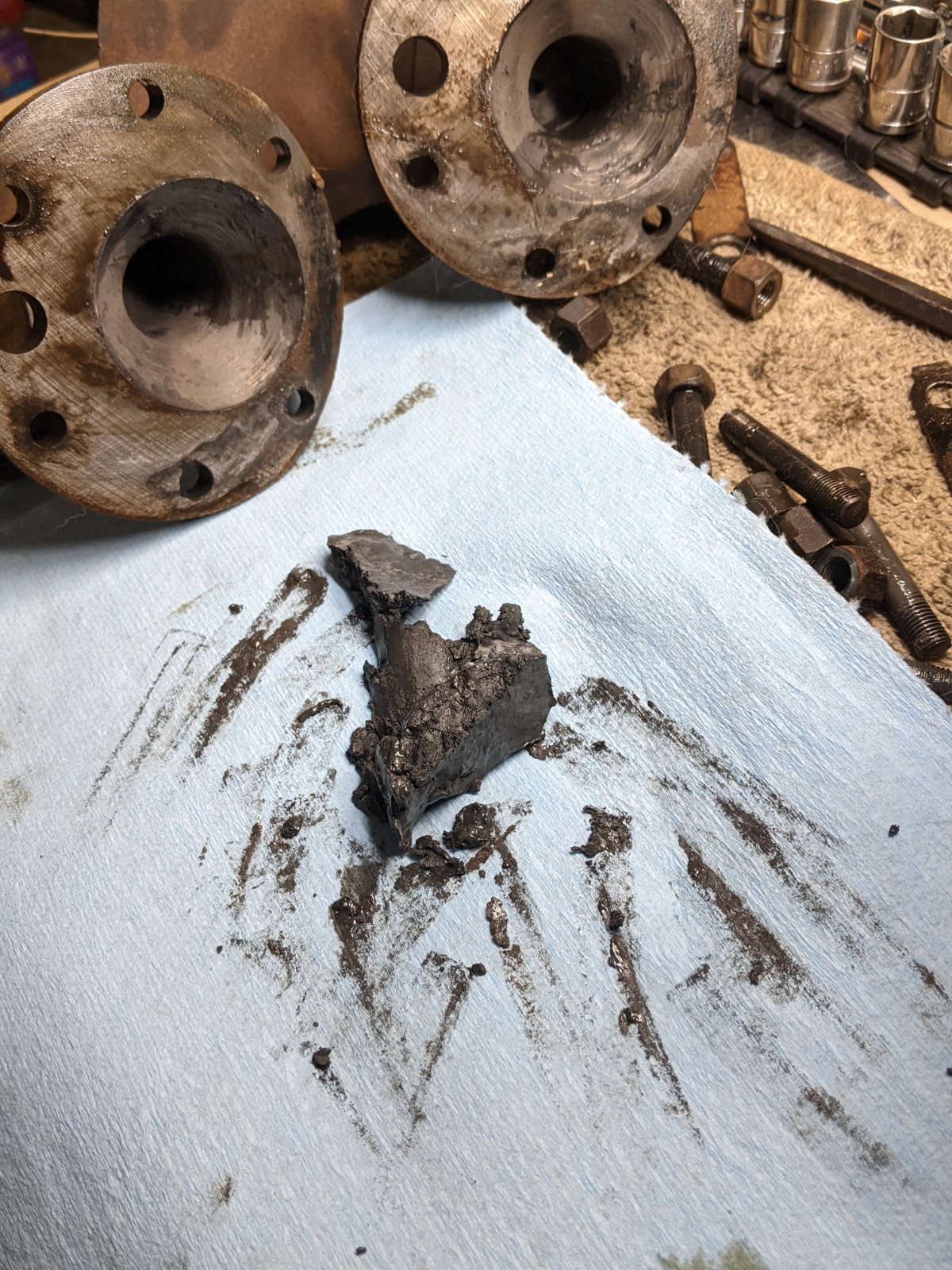


No markings is normally stock.What does a cam with not one marking of any kind mean. Is that common. I measured the lobes and they seem close to stock.
Pretty typical level of sludge for a nominally maintained 50-year-old bike.
Pretty typical level of sludge for a nominally maintained 50-year-old bike.
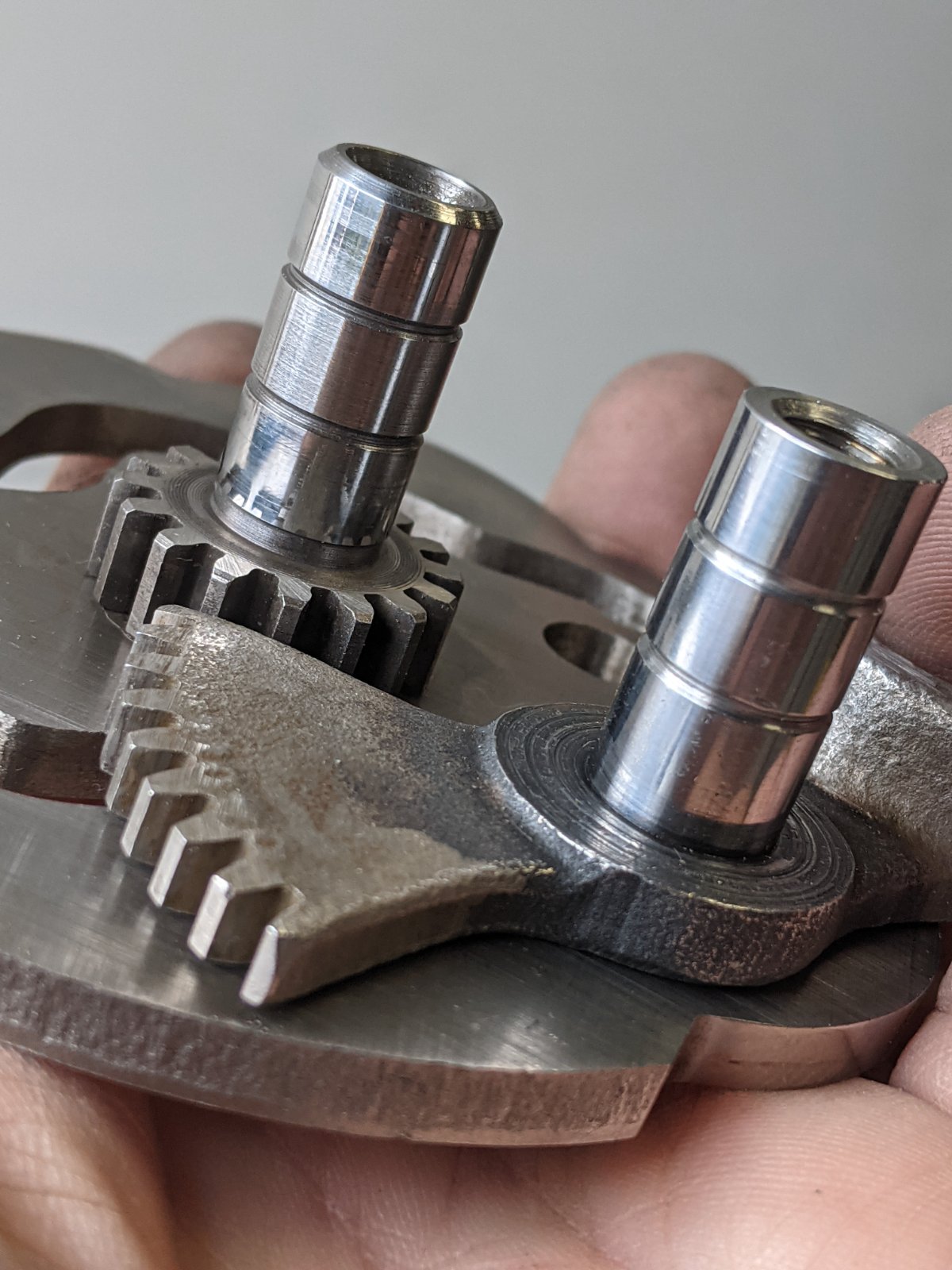
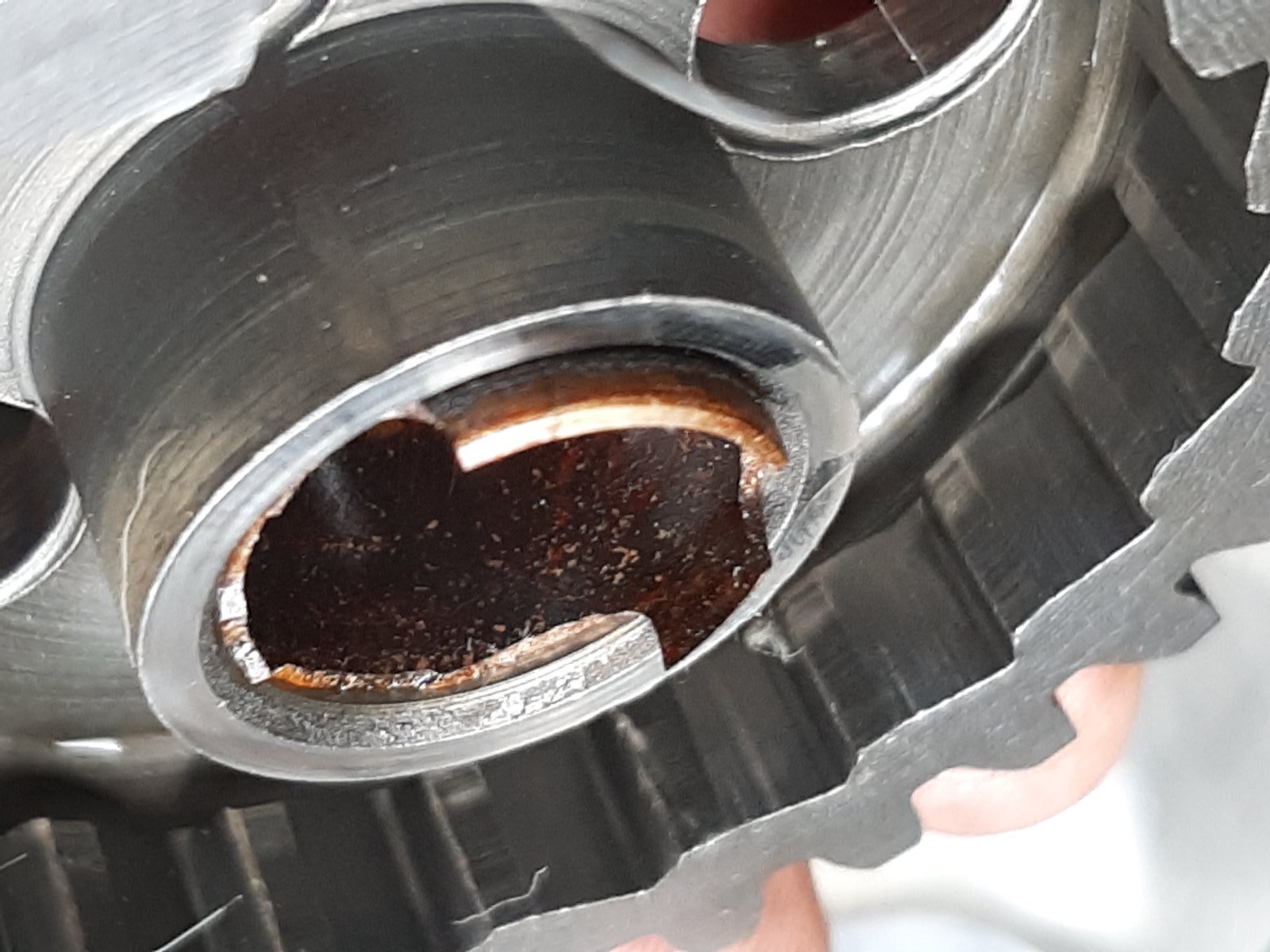
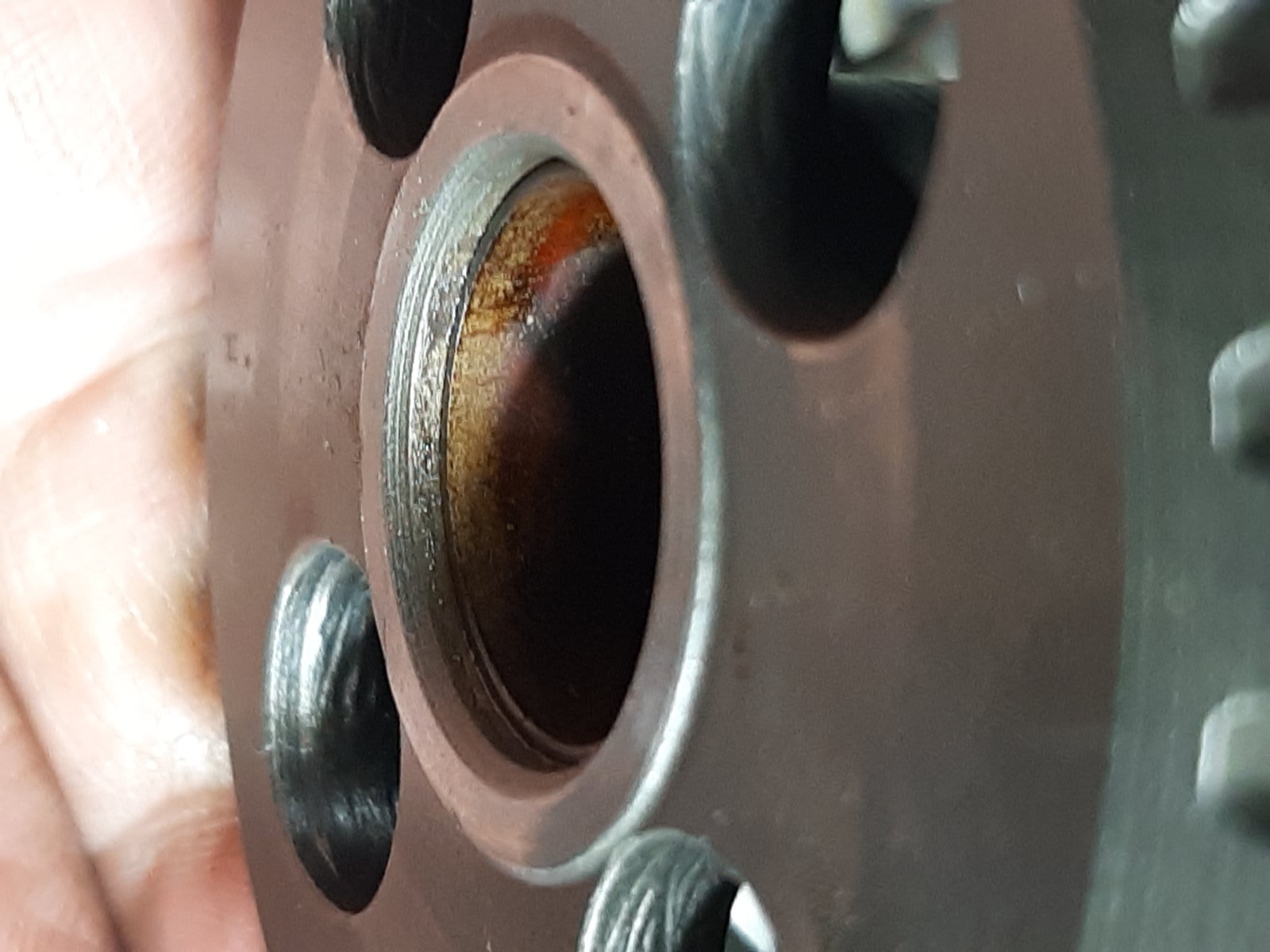
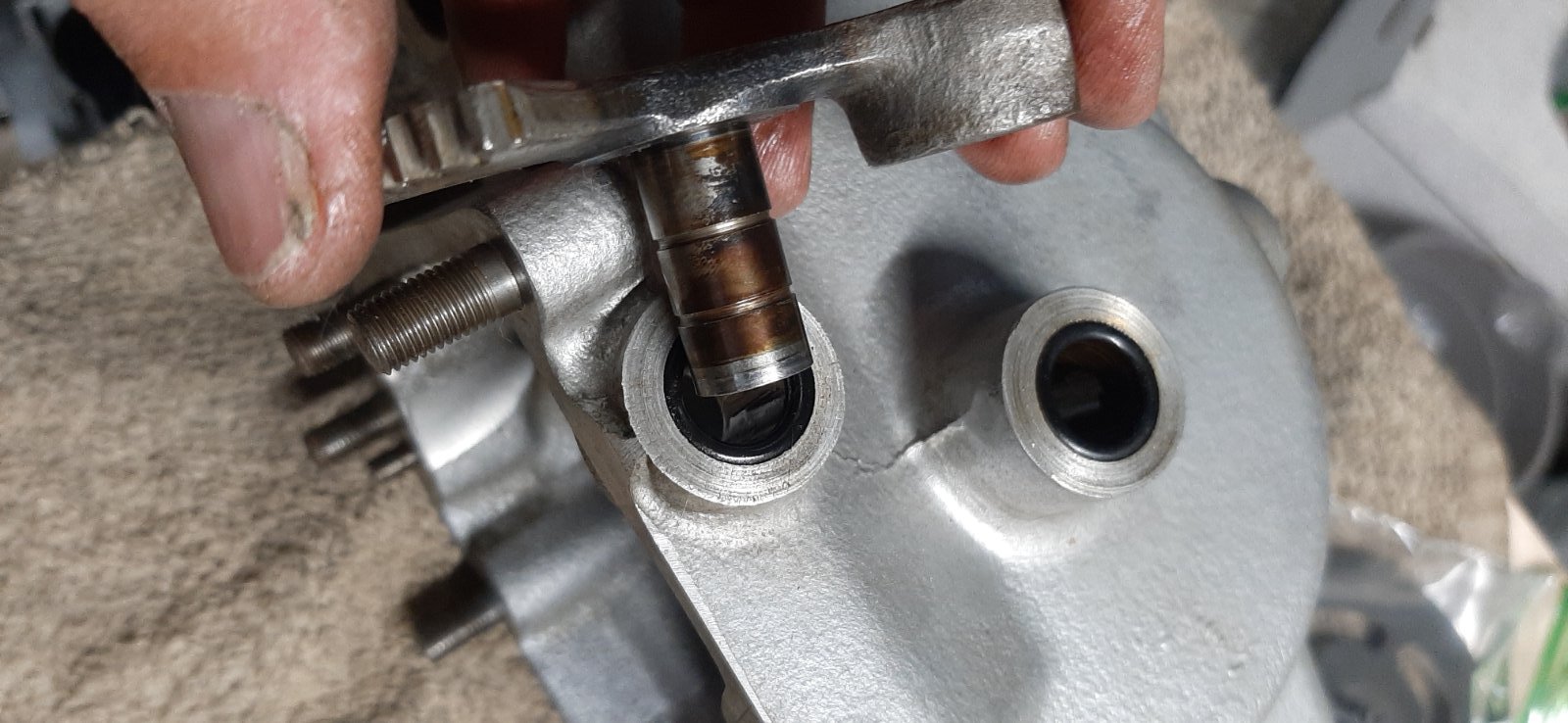
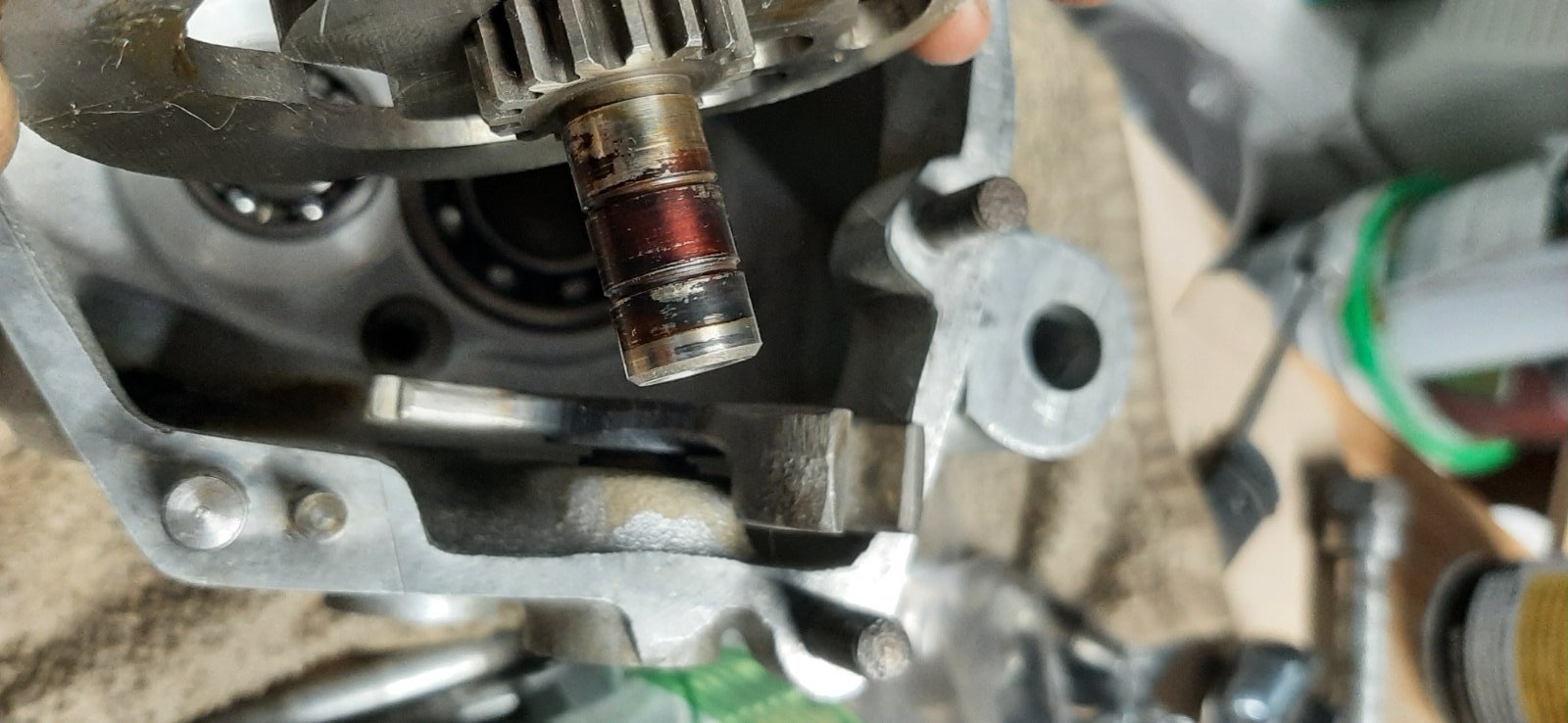
That's some serious burnishing on the gear selection cam's shaft; I've never seen one that bad. On a typically SPINNING shaft maybe, not on one that only turns a fraction of a revolution per operation...
The two gear selection cam and lever bushings are also puzzling to me. Both required some persuasion to come out. PB Blaster and repetitive twisting to loosen things up.
They are tight in the case so heat should be used.
Apologies, I mis-phrased my post. I meant to say the shafts were tight in the bushings.
I think if it was just liquid, it would seek the outer edge of rotation, but since it is basically solids in suspension, PERHAPS the solids tend to collect at the farthest point opposite the direction of rotation, allowing the relatively clean oil to flow out per design?So this being the only crankshaft I have taken apart I am puzzled by the location of the sludge deposit with regards to the crank rotation. Would it not be more likely to deposit more to outside of the revolutions of the crank? Or does the sludge stay more liquid and move around when the engine is idle due to gravity?